Building Science Summer Camp Recap
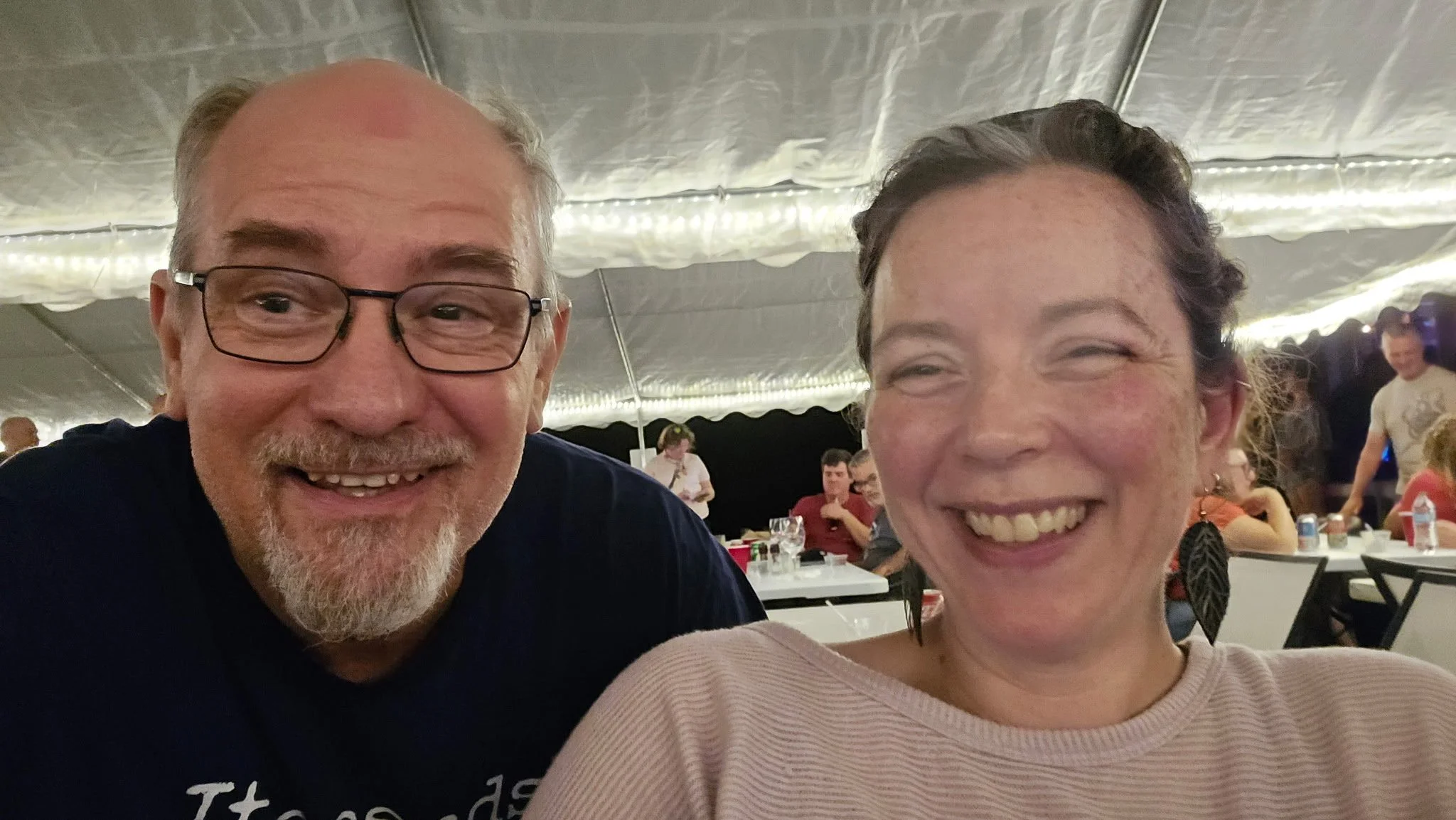
Every August, a few hundred people who think about houses for a living drive, fly, and carpool to Westford, Massachusetts for three days that don't look like any other conference in our industry. Officially, it's the Westford Building Science Symposium, now in its 28th year. Everyone calls it Building Science Summer Camp, or just Summer Camp. It's invitation only, there's a single track, and all 400 or so attendees spend three full days in the same room. Then everyone eats dinner together in a backyard. Emily and Mike were both there again this year. Here's what we brought home.
What Summer Camp Actually Is
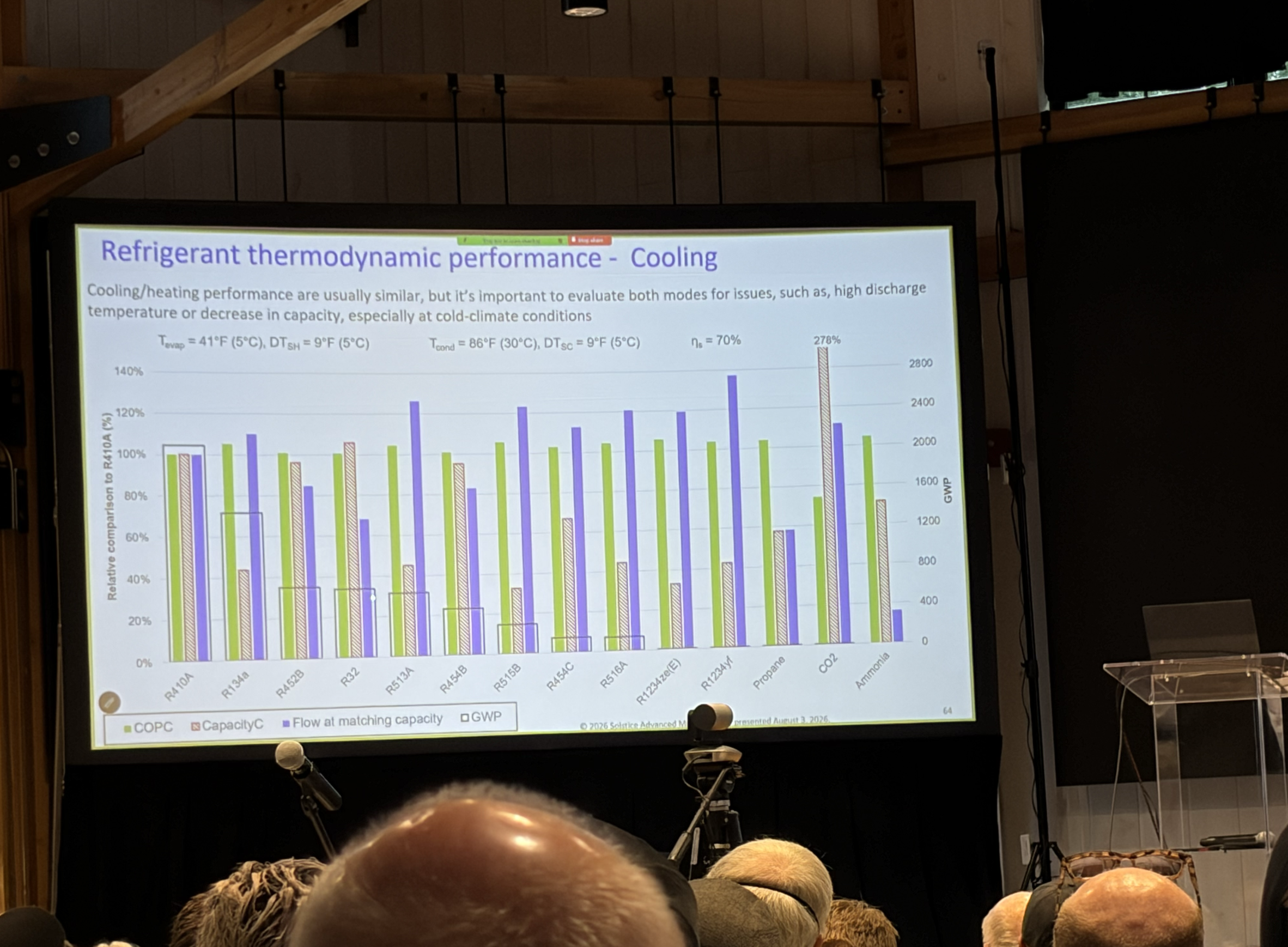
Summer Camp isn't an introduction to building science. It's the next level of training for the people who already teach and practice it — designers, builders, engineers, researchers, and manufacturers who came in with a working knowledge and want to sharpen it. The speaker lineup is genuinely exceptional. Any one of these presentations could headline a different conference, and because there's only one track, nobody spends the afternoon deciding which session to skip. You get the whole thing, with the same 400 people, for three days. One note on the venue: the conference center that hosted Summer Camp for 27 years was in the process of being demolished this year, so the event moved to a new facility — a church with refreshingly modern architecture and, notably, a fully functioning HVAC system. A building science crowd notices that sort of thing.
Why We Keep Going Back
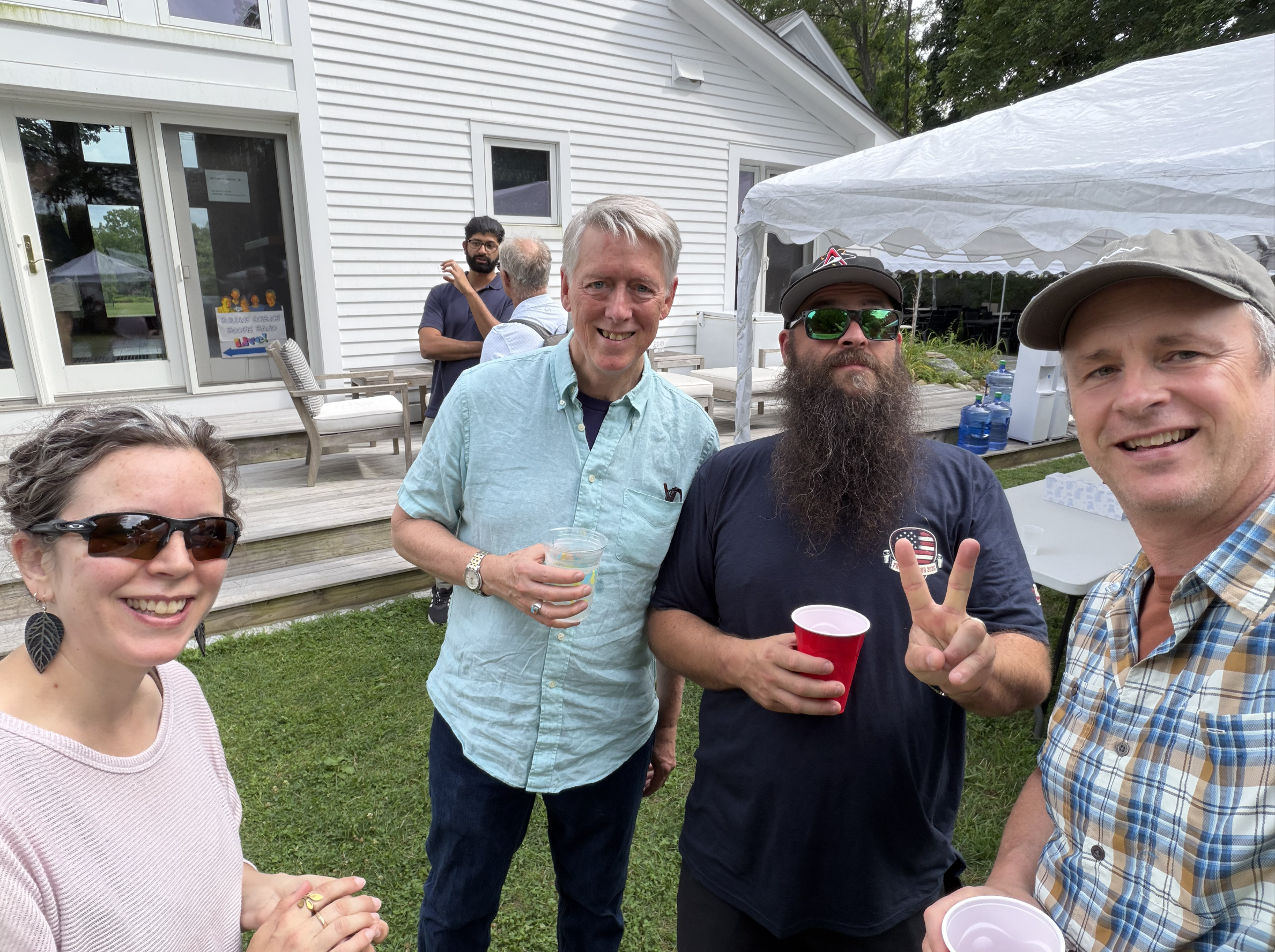
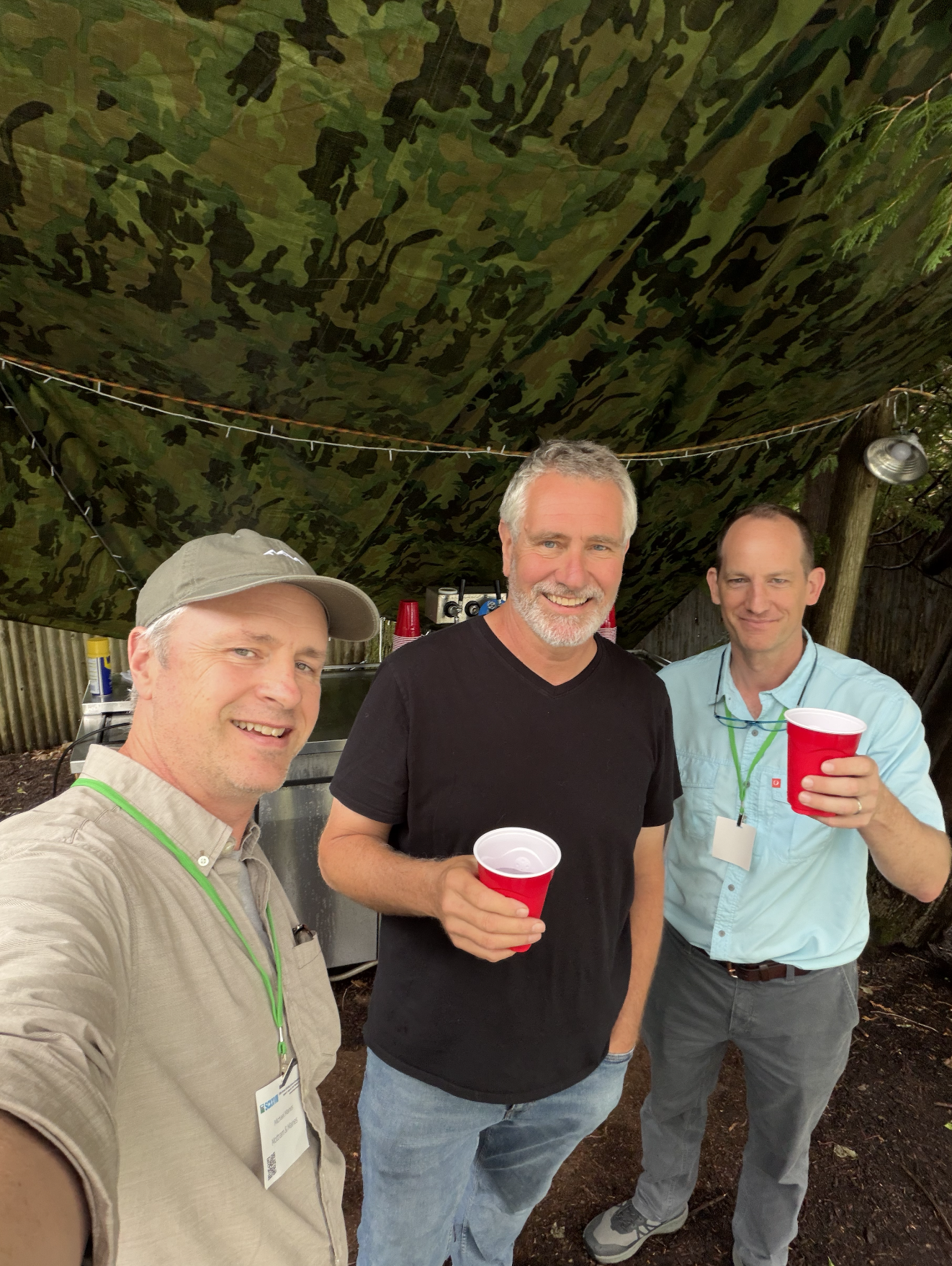
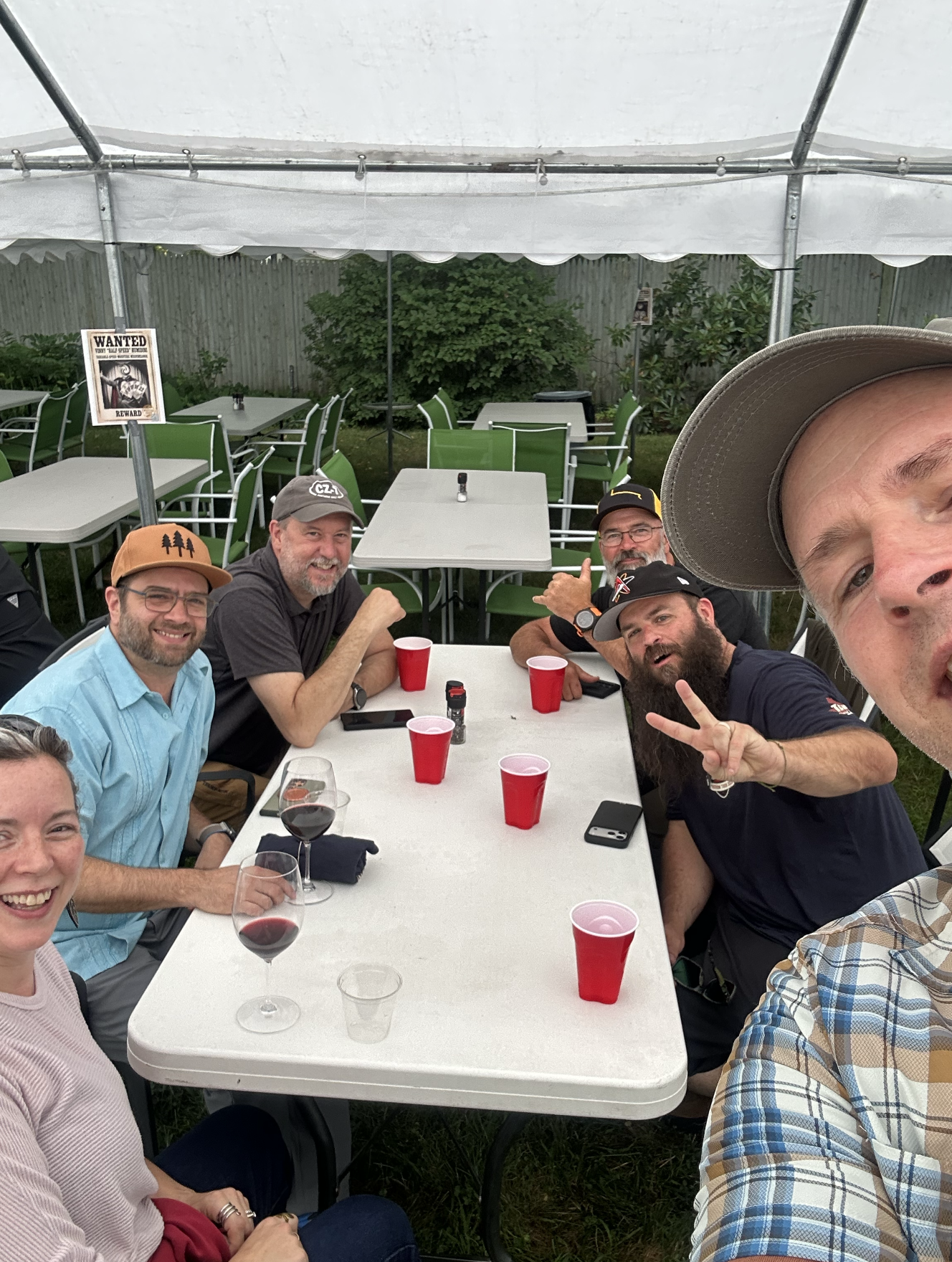
Mike has attended five years running. He first went in 2022, after the pandemic hiatus and after several years of hoping for an invitation, which he eventually wrangled through his friend Michael Anschel, a designer/builder in Minneapolis/St. Paul. The very first person he met that first morning was Bob Kelly, a builder from Chicago, who had also spent years wanting to go and had also gotten his invitation out of Michael Anschel. They've been friends ever since. That's the part that's hard to explain from the outside. The knowledge is the reason you go the first time. The people are why you keep going. For Emily, that's the whole case for Summer Camp. What makes it rare, even in a world absolutely full of conferences, is that you can feel welcome at any table. You can sit down next to someone you've looked up to for years and make a connection that lasts well beyond the days spent in that backyard. No matter which table you pick, the conversation is exciting and the guests are welcoming.
What Stuck With Us This Year
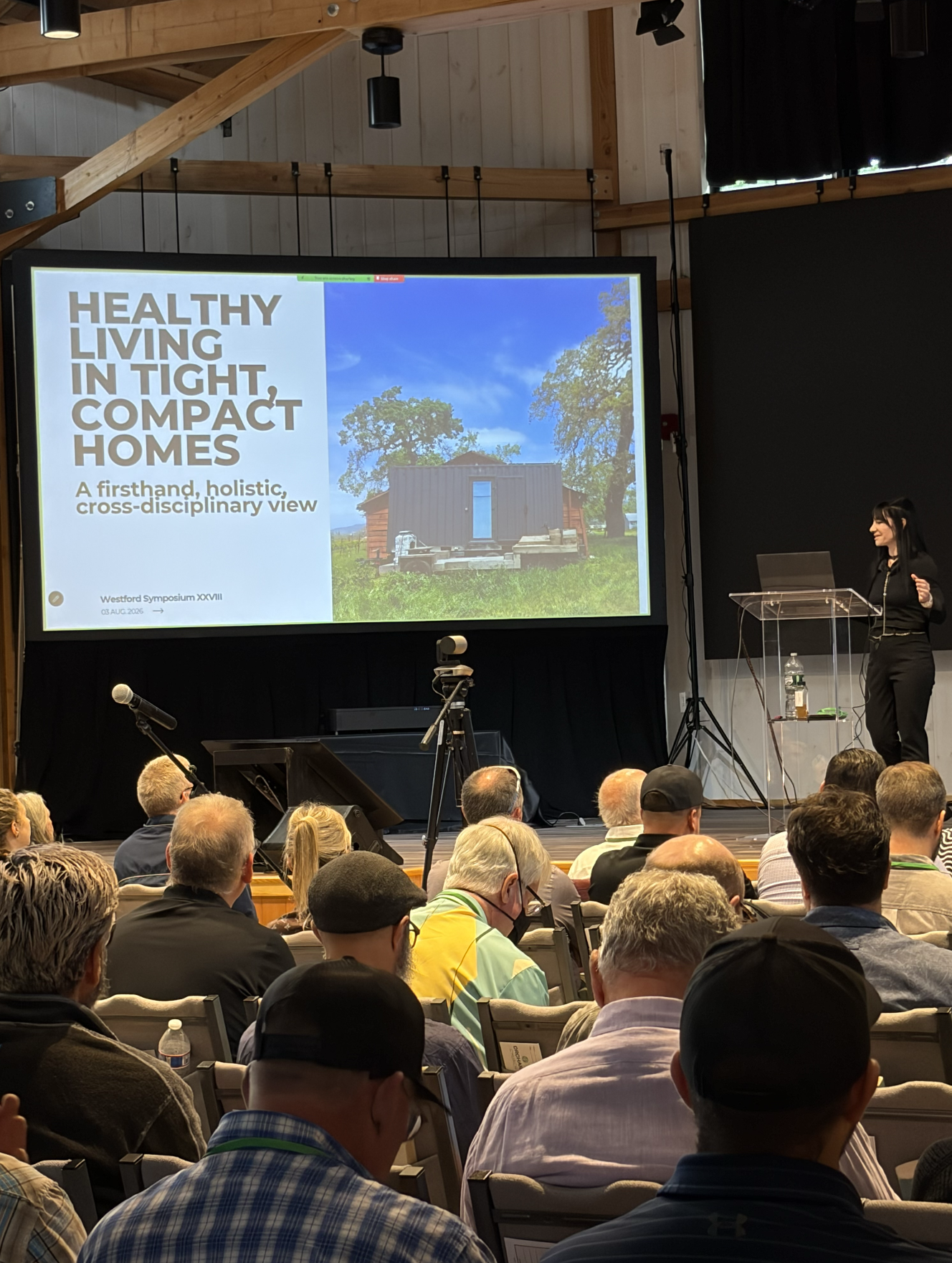
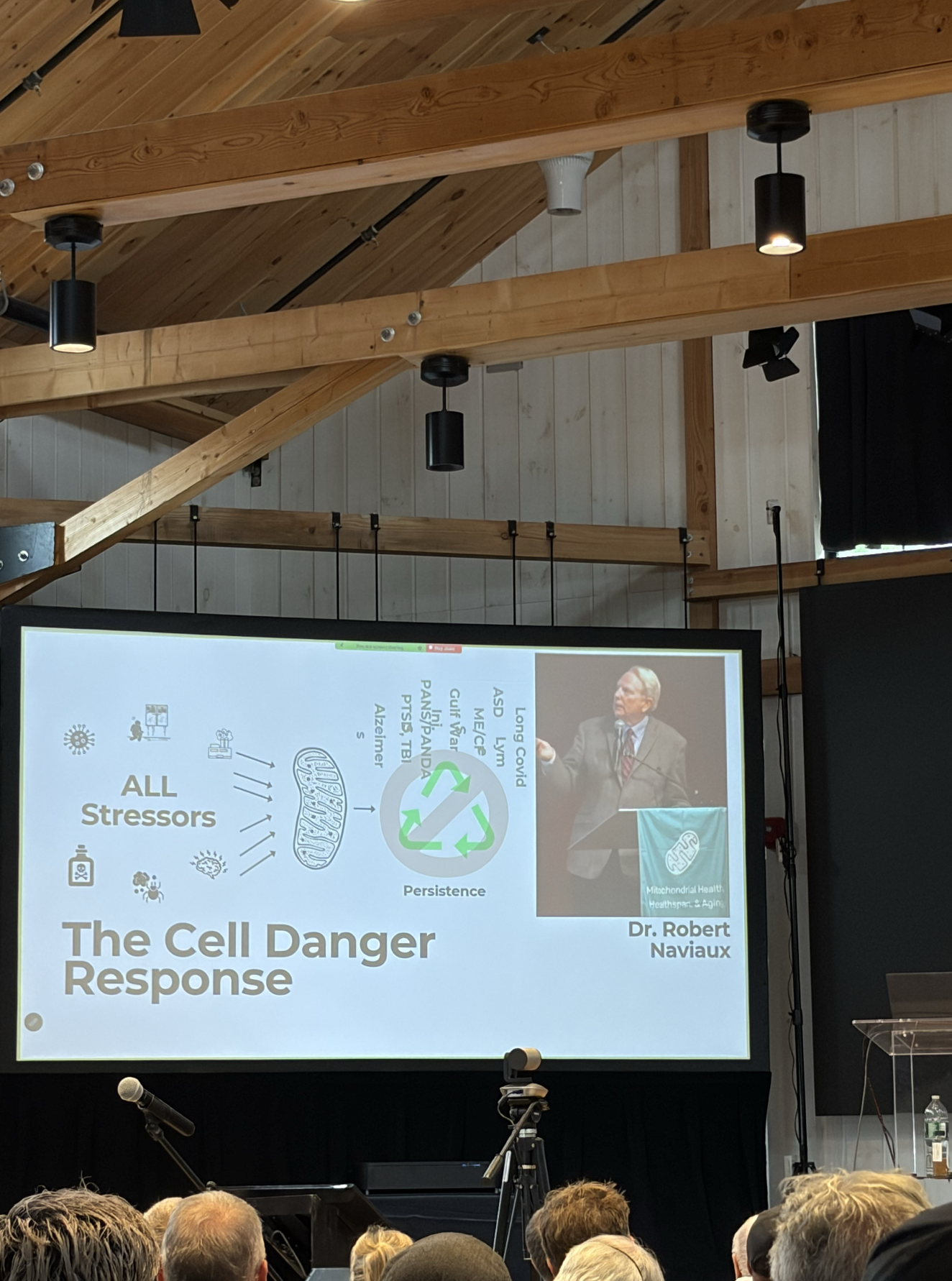
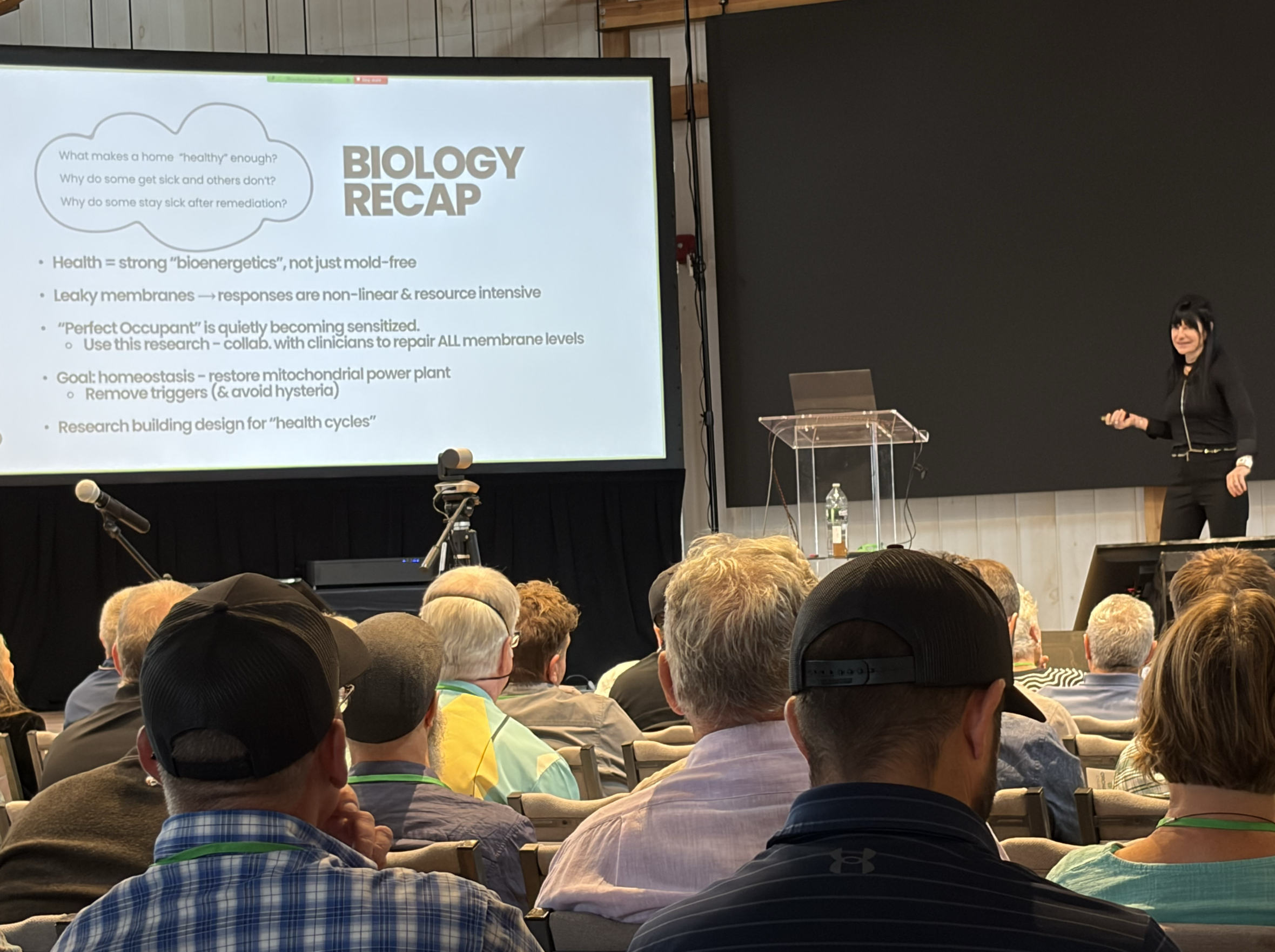
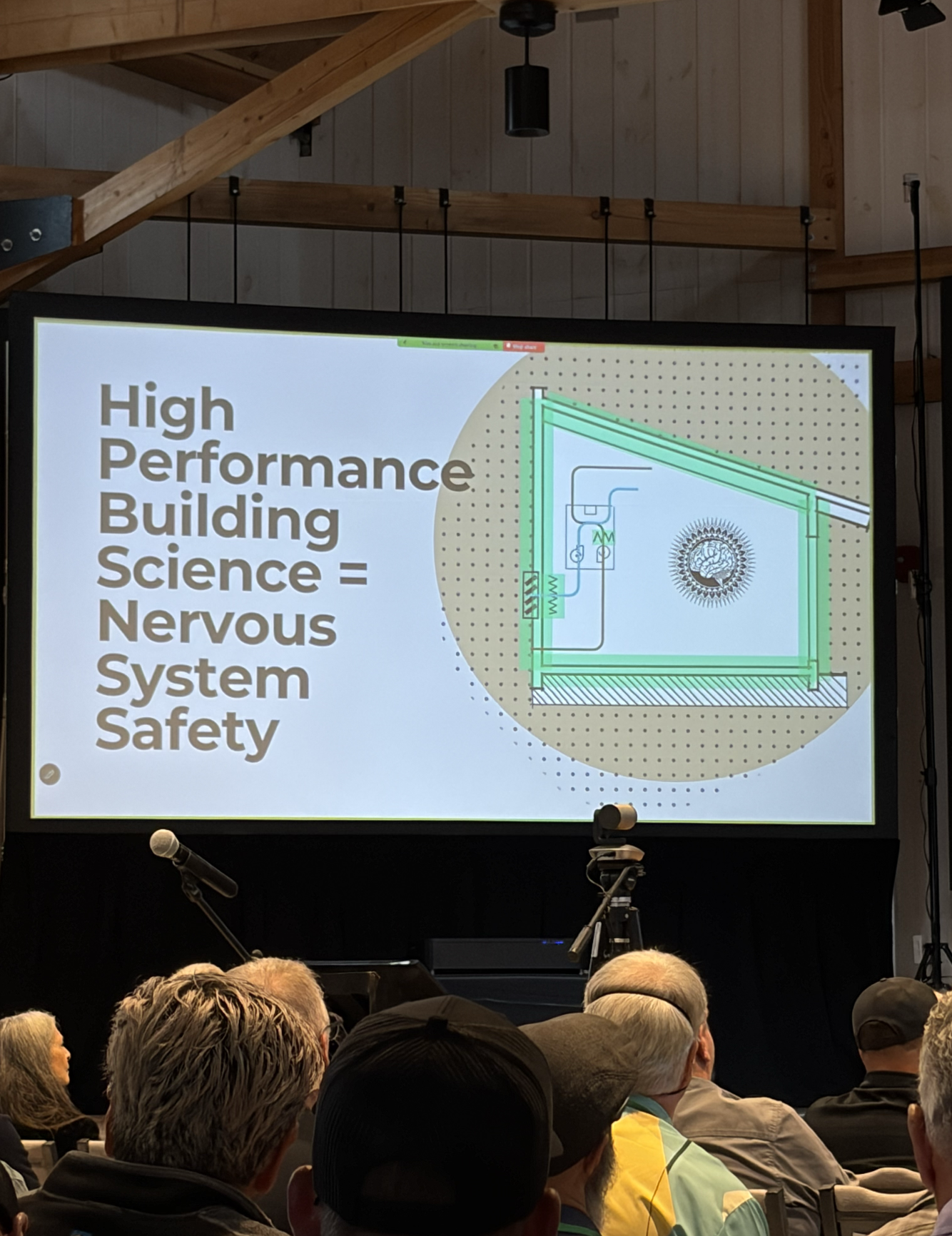
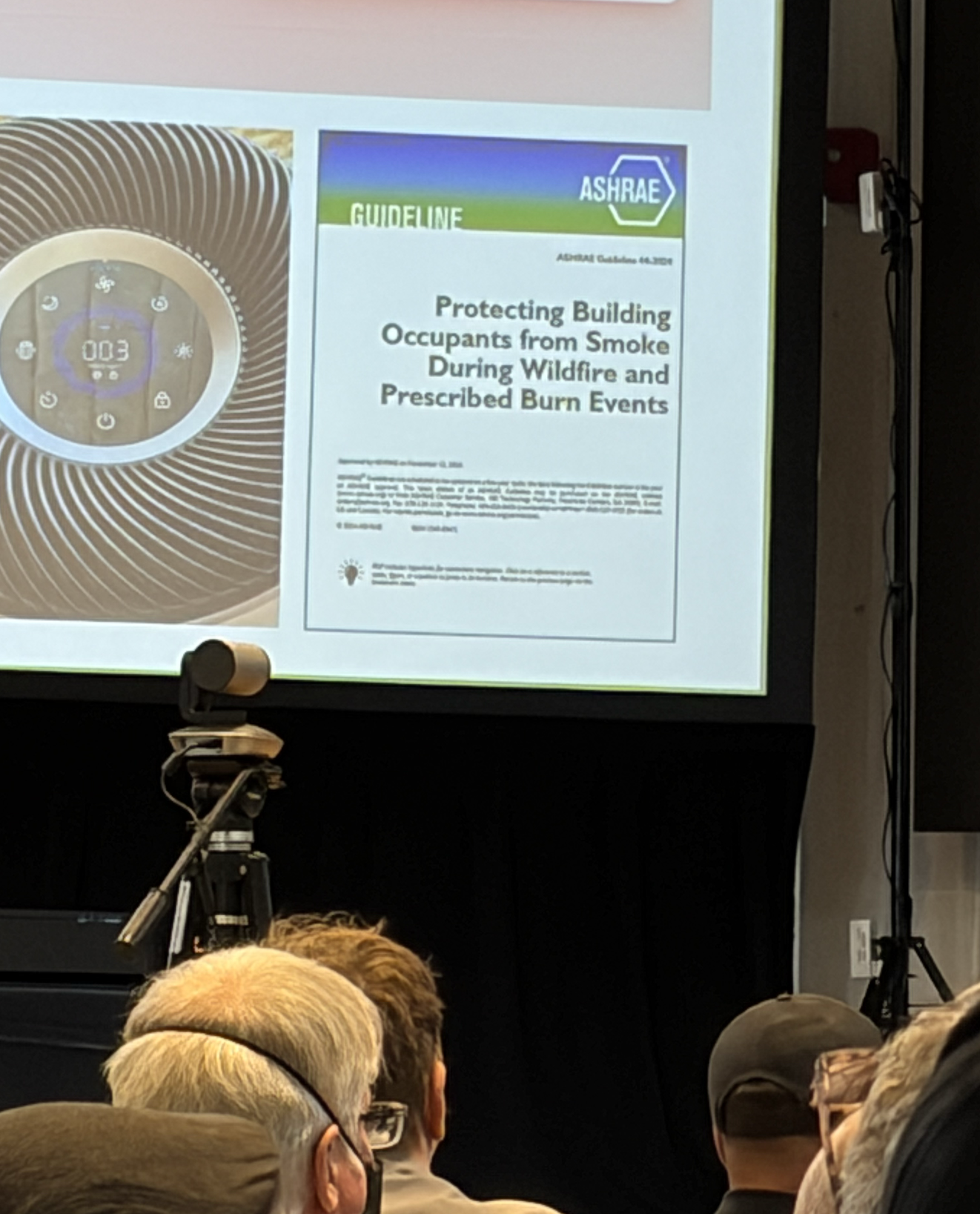
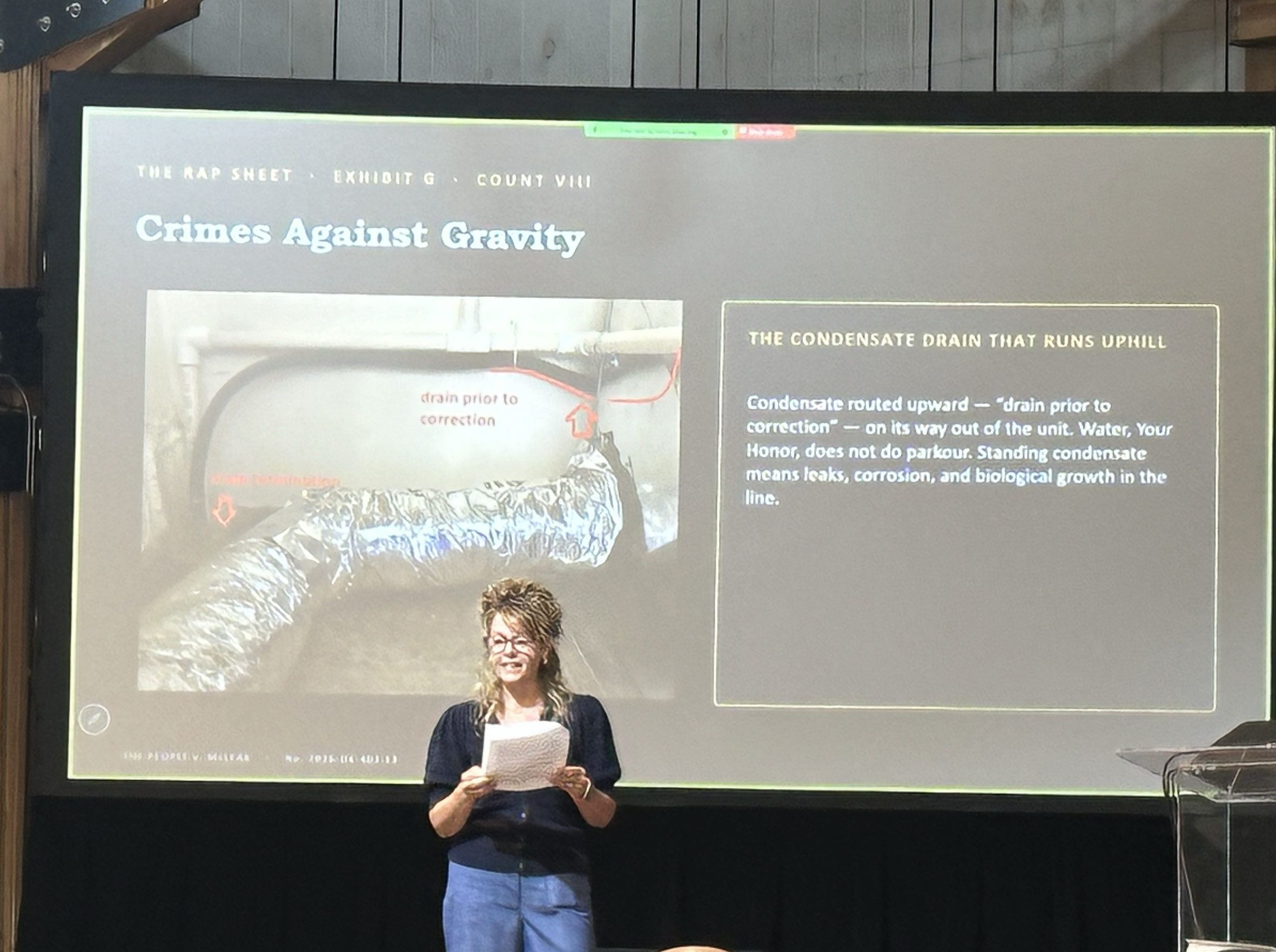
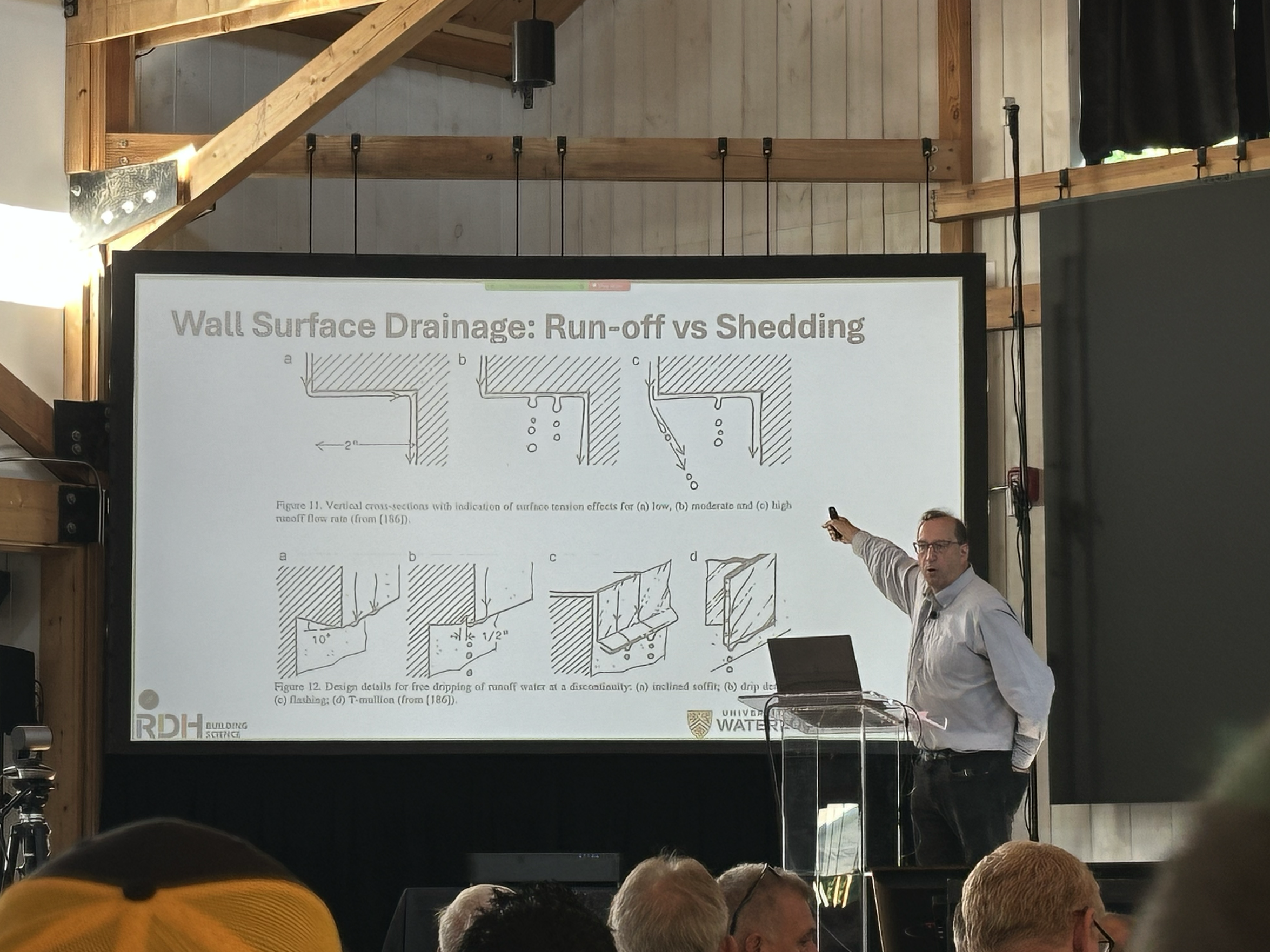
Ashley Murphree on buildings and human health. This was the one that stayed with Emily. Ashley — a friend, colleague, mechanical engineer, and former builder — shared her own personal journey and research into how our buildings are affecting our health, including mitochondrial fortification. Her larger point is worth sitting with: as a building community, we understand very little about how people react to the buildings they live in. Those reactions run the full range, from an allergic response to a full nervous system shutdown. And the trigger is rarely the same from one person to the next. John Straube on rainscreens. A refresher on the importance and the critical details of rainscreen assemblies, from one of the field's true luminaries. Emily's advice, colleague to colleague: if you ever have the opportunity to hear John Straube speak, don't miss it. Nikki Krueger and Chris Conway on dehumidification. A useful, and entertaining, reset on what dehumidification actually does — and just as importantly, what it doesn't do. Delivered as a skit, which is very much the Summer Camp spirit. Ty Newell on the CERV2. The Build Equinox founder walked through their latest "Black Box," a heat-pump ERV that combines ventilation, filtration, and supplemental heating and cooling, along with their free sizing tool. Kyle Macht on renovation versus teardown. At one of the evening gatherings, Kyle presented his ongoing project for accurately assessing modest renovations against teardowns and rebuilds, and everything in between — with toggles for environmental impact, occupant health, and other notoriously hard-to-measure factors. This was the fourth or fifth time Mike has seen him present it, and he learns something new every time. It could be an enormous benefit to the industry, and nobody who's likely to know has ever pointed to anything else quite like it. One book recommendation. Over lunch, mechanical engineer Cramer Silkworth — who trained both of us in Passivhaus — suggested digging up old Stewart Brand videos on YouTube. Brand created the Whole Earth Catalog and wrote How Buildings Learn, which should be required reading for anyone who designs or builds.
What This Means for the Homes We Design
If you're a client wondering why your design team disappears for a week in August, this is the honest answer: the privilege of going to events like this and learning from other professionals is how we get better and better at what we understand and how we practice. Every year. The practical lessons this year — moisture management, ventilation, what dehumidification can and can't solve, occupant health, and how to weigh renovating against rebuilding — all have direct implications for how we design houses and how we make decisions alongside the people who will live in them.
The Part That Isn't on the Agenda
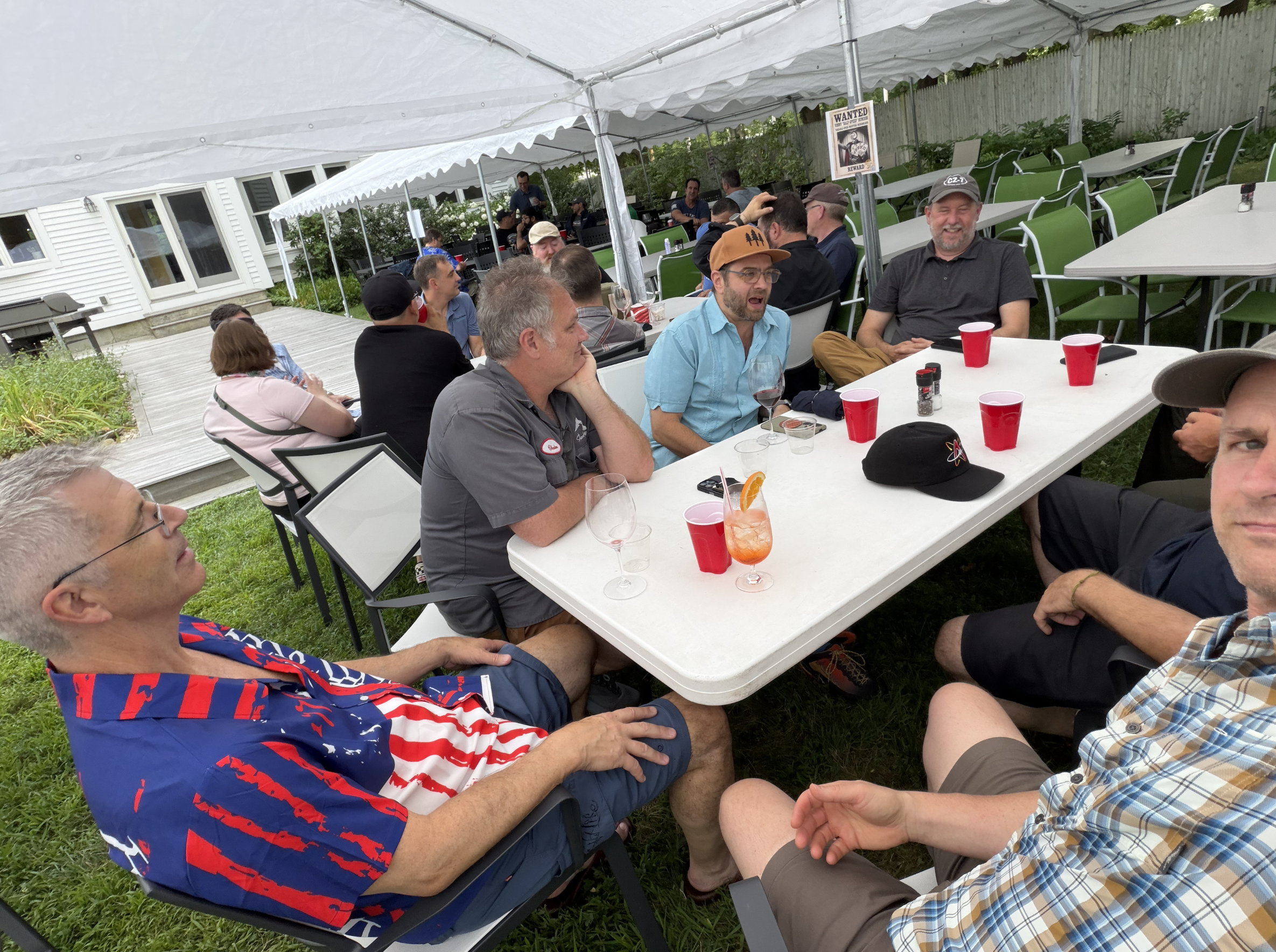
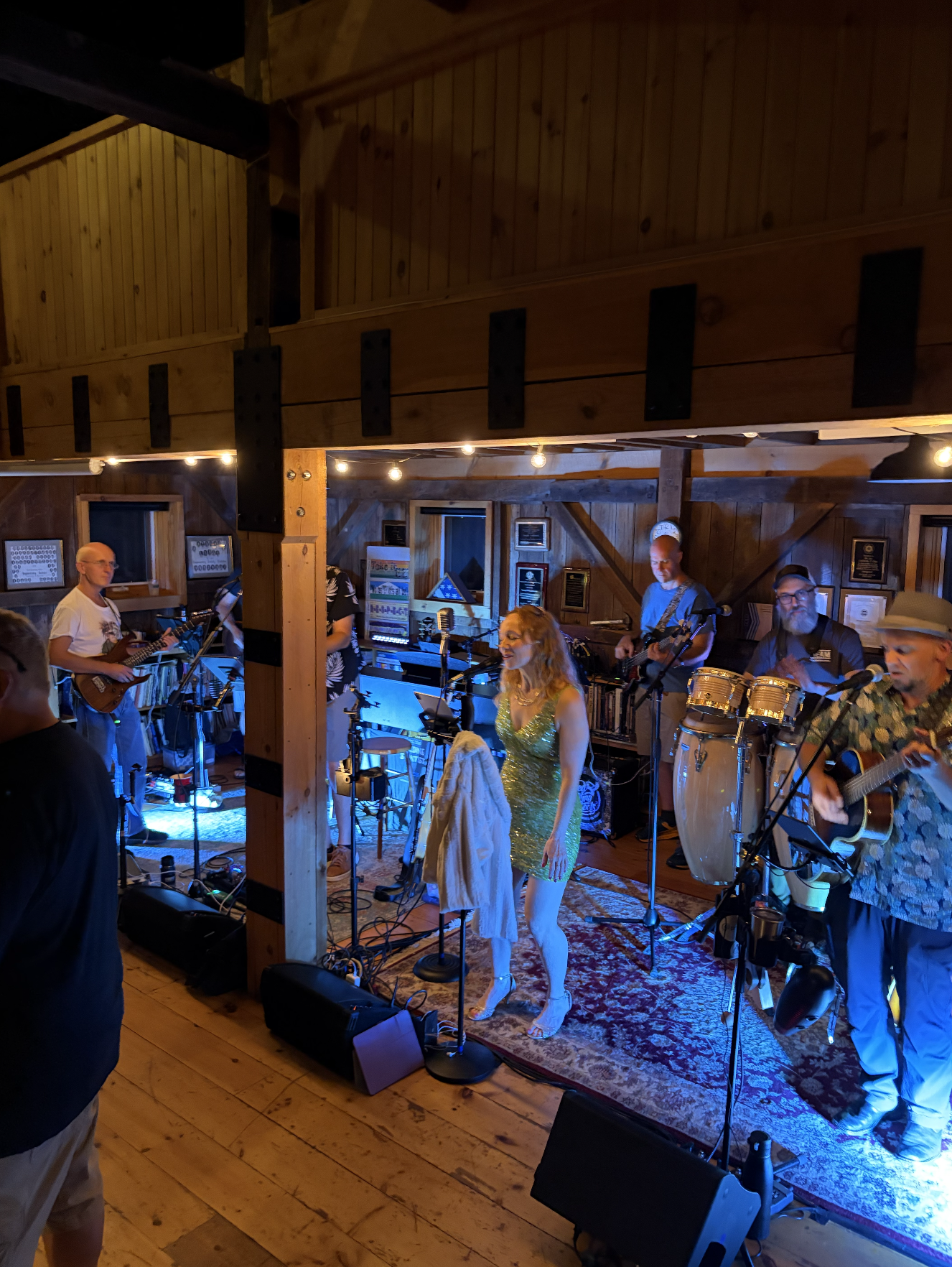
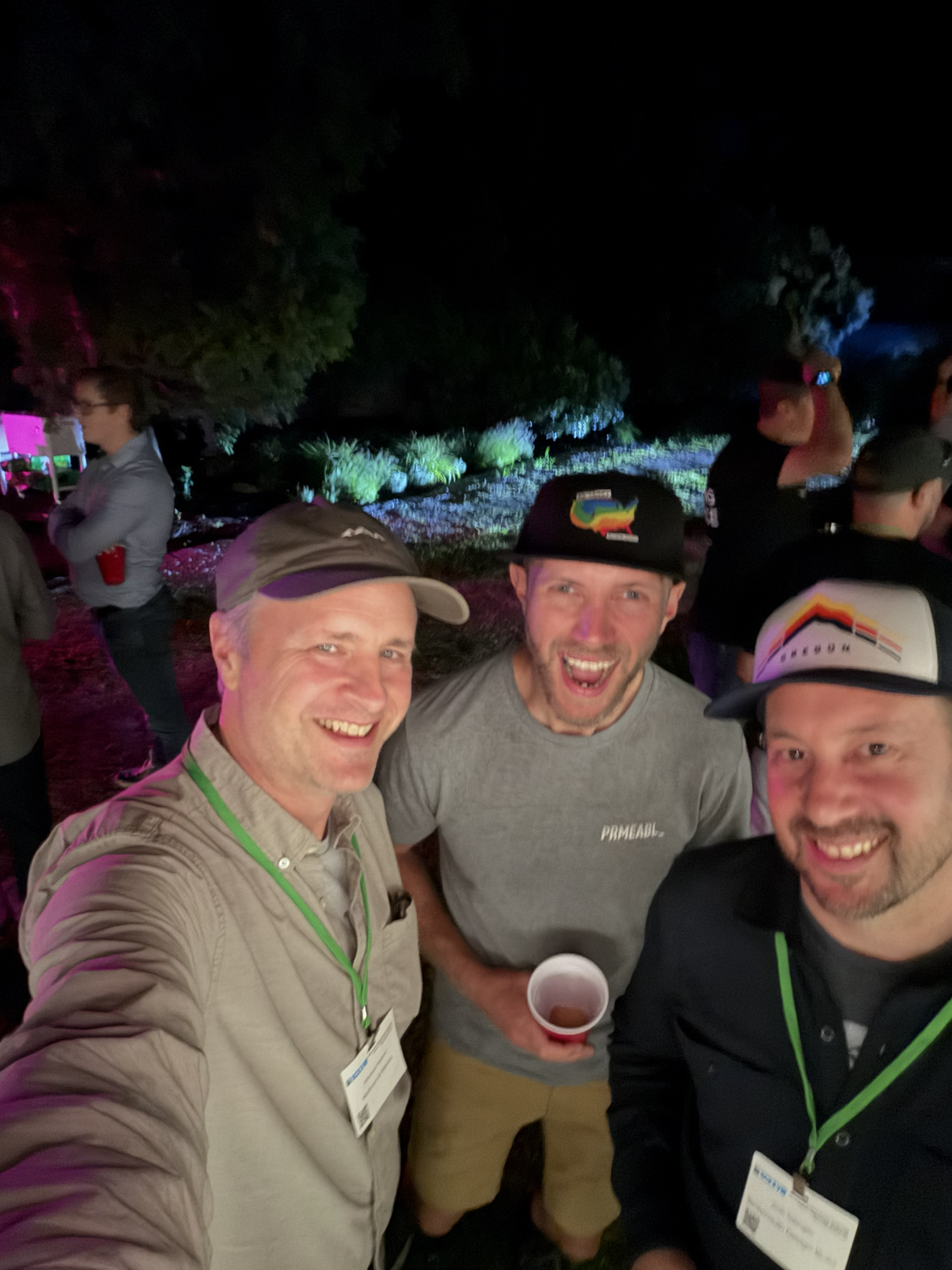
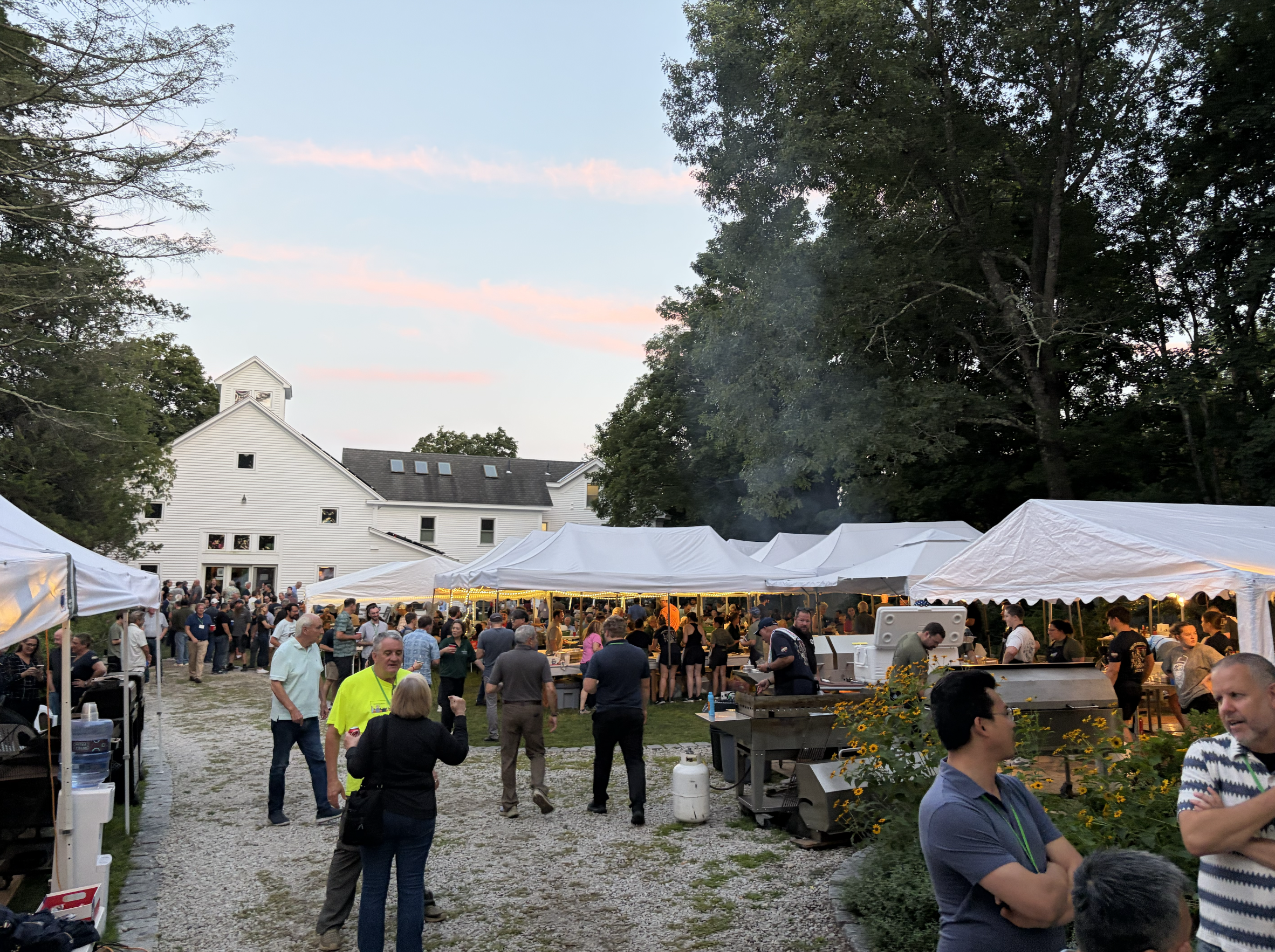
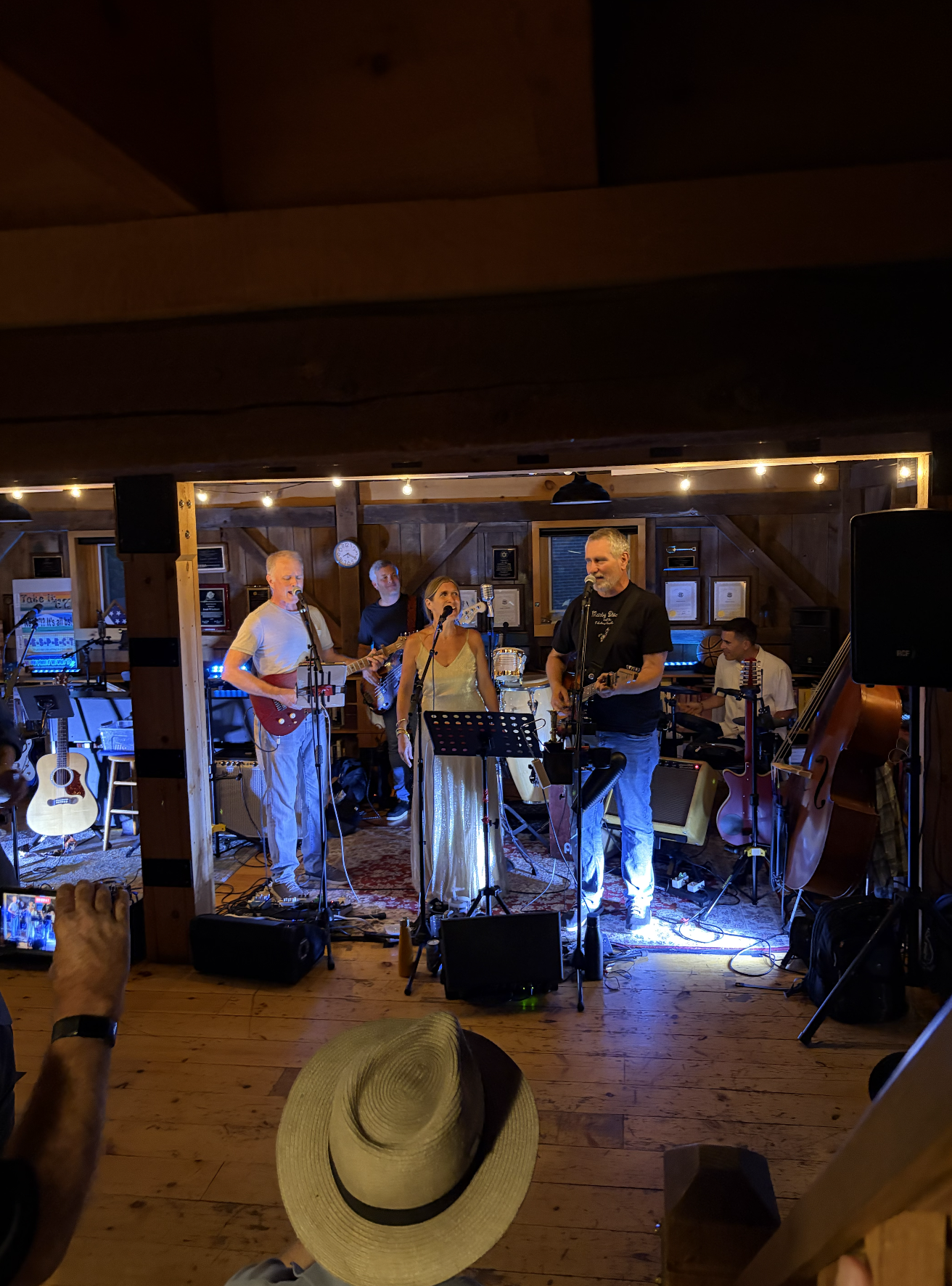
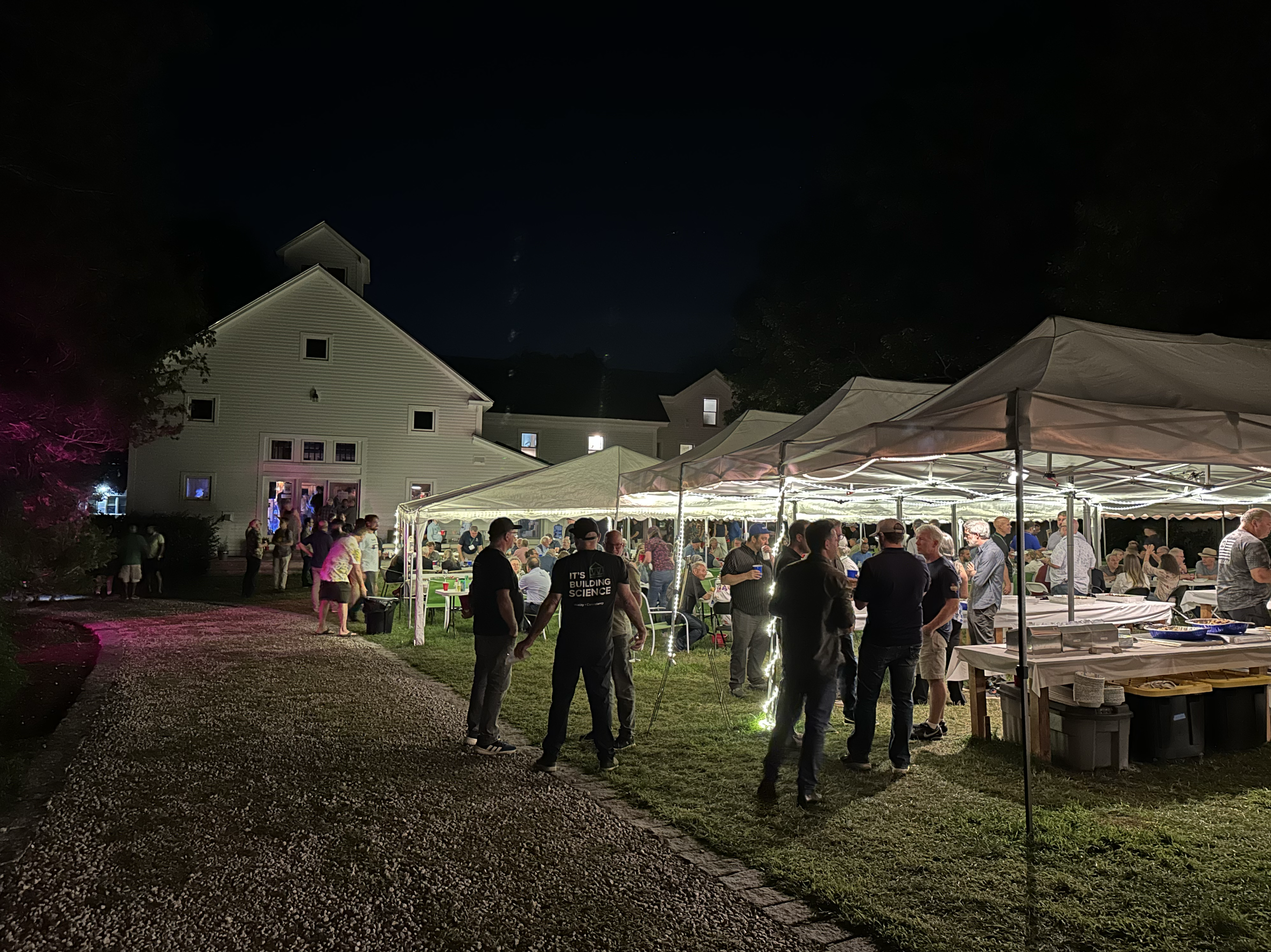
Equally important to the conference is what happens after the conference each day. Picture a rambunctious outdoor wedding reception for 400 people, many of whom have known each other for years or decades, and all of whom are warmly welcoming to newcomers. Tables under a tent in the backyard. Excellent food, plentiful beverages, live music in the barn and occasionally in the test hut. Conversations that range from quantum mechanics to the best book you read this year. None of this happens without Betsy Pettit and Joe Lstiburek, who not only organize a top-notch conference every year but open their home, backyard, outbuildings, and crawlspace to hundreds of people — and appear to enjoy every minute of it. Along with everyone who helps them, they've built something unique, humbling, energizing, and genuinely people-connecting. It's one of the best things about the building science community.
One Unsolved Mystery
Several courses into dinner one evening, Mike was at a table with Carl Seville and Michael Anschel when Michael mumbled something about a "function drive." Michael tends to be up on the latest technology, so the assumption was that this was some new development worth knowing about. "What is a function drive?" became the hot topic for the rest of the night. We never figured it out. If you know, please tell us.
Mottram & Maines is a residential design practice based in Maine, focused on high-performance, durable, healthy homes. Get in touch if you're planning a project.