
Emily Mottram
Emily Mottram is an architect and founding partner of Mottram & Maines, where she designs new homes, additions, and major renovations grounded in building science and integrated design. Her work focuses on creating homes that are comfortable to live in, durable over time, and thoughtfully designed for the climate they’re built in.
Emily received her Bachelor of Architecture degree from Penn State University and is currently a Registered Architect in Maine, Massachusetts, New Hampshire, Pennsylvania and Utah. Emily is a member of the National Council of Architectural Registration Boards (NCARB), the National Association of Women In Construction (NAWIC), and the Natural Resources Council of Maine (NRCM), the state’s leading organization working to protect and preserve the environment.
An educator at heart, Emily also teaches building science and sustainable design at a local community college and has served as a consultant for projects in a secondary school trade program. She hosts the weekly podcast E3: Energy and Efficiency with Emily [HM1] and co-hosts the live-streamed BS* + Beer Show, a weekly building science show for professionals and “civilians” alike.

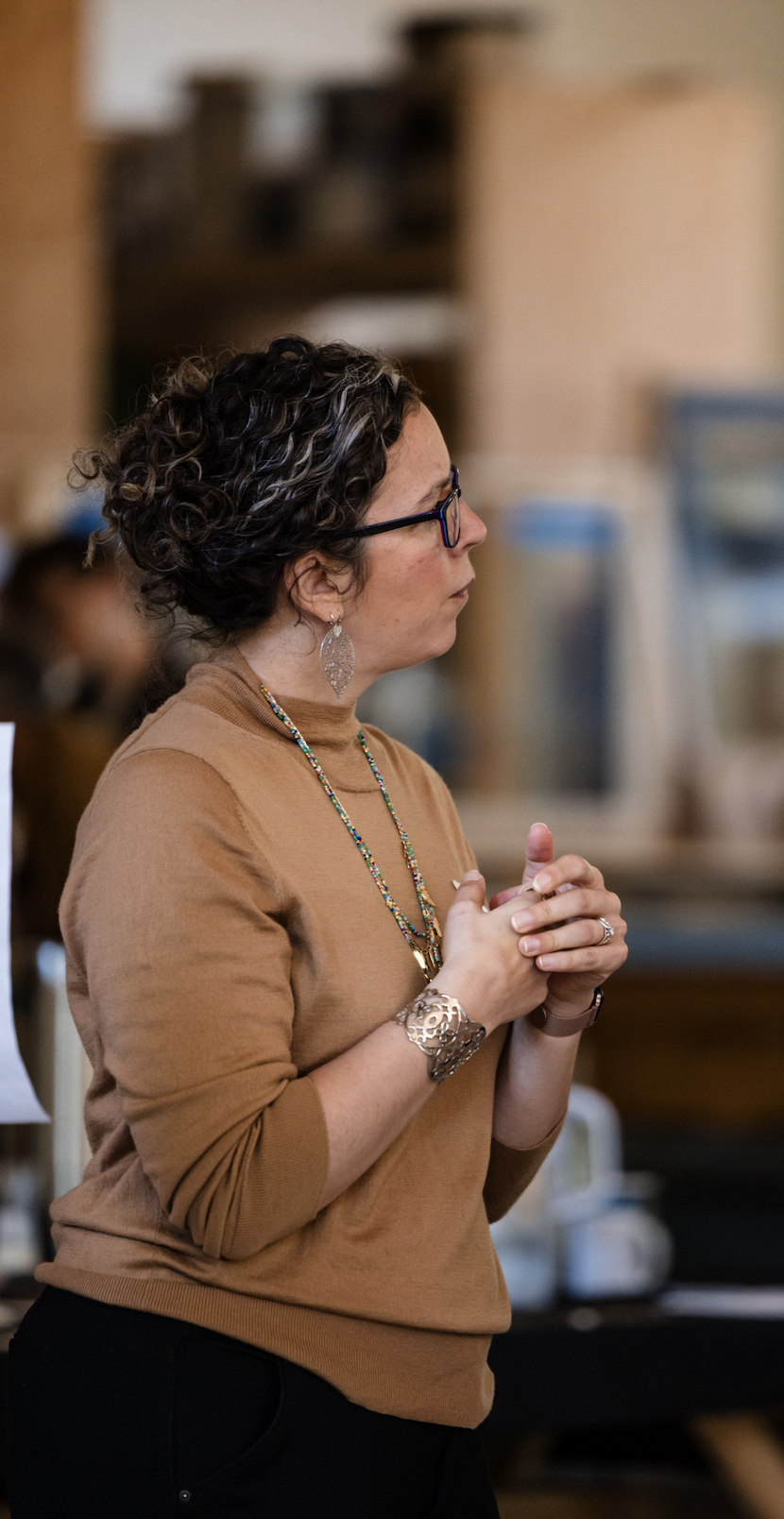
More About Emily
Her path into this work started early. After three years of drafting classes in high school, she was told architecture school would be difficult. Her response was simple: challenge accepted. That curiosity, and a tendency to look at things from multiple angles, has shaped how she approaches design ever since.
Over time, that perspective expanded beyond architecture alone. Emily became interested in how buildings connect to health, human behavior, climate, and long-term performance. Today, that way of thinking shows up in every project, not as a checklist, but as a way of holding the whole picture together from the start.
Emily Mottram On High Performance Residential Architecture
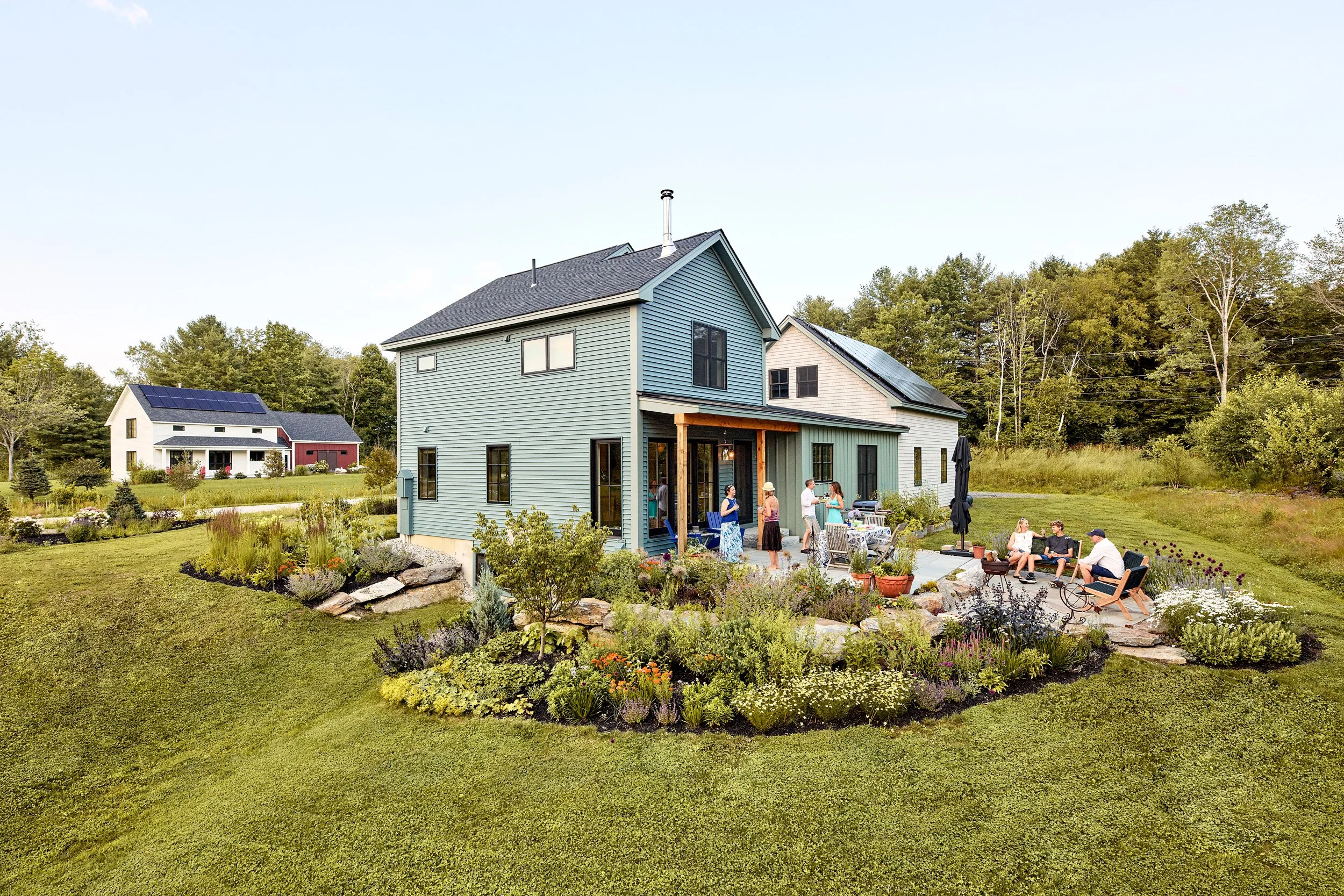
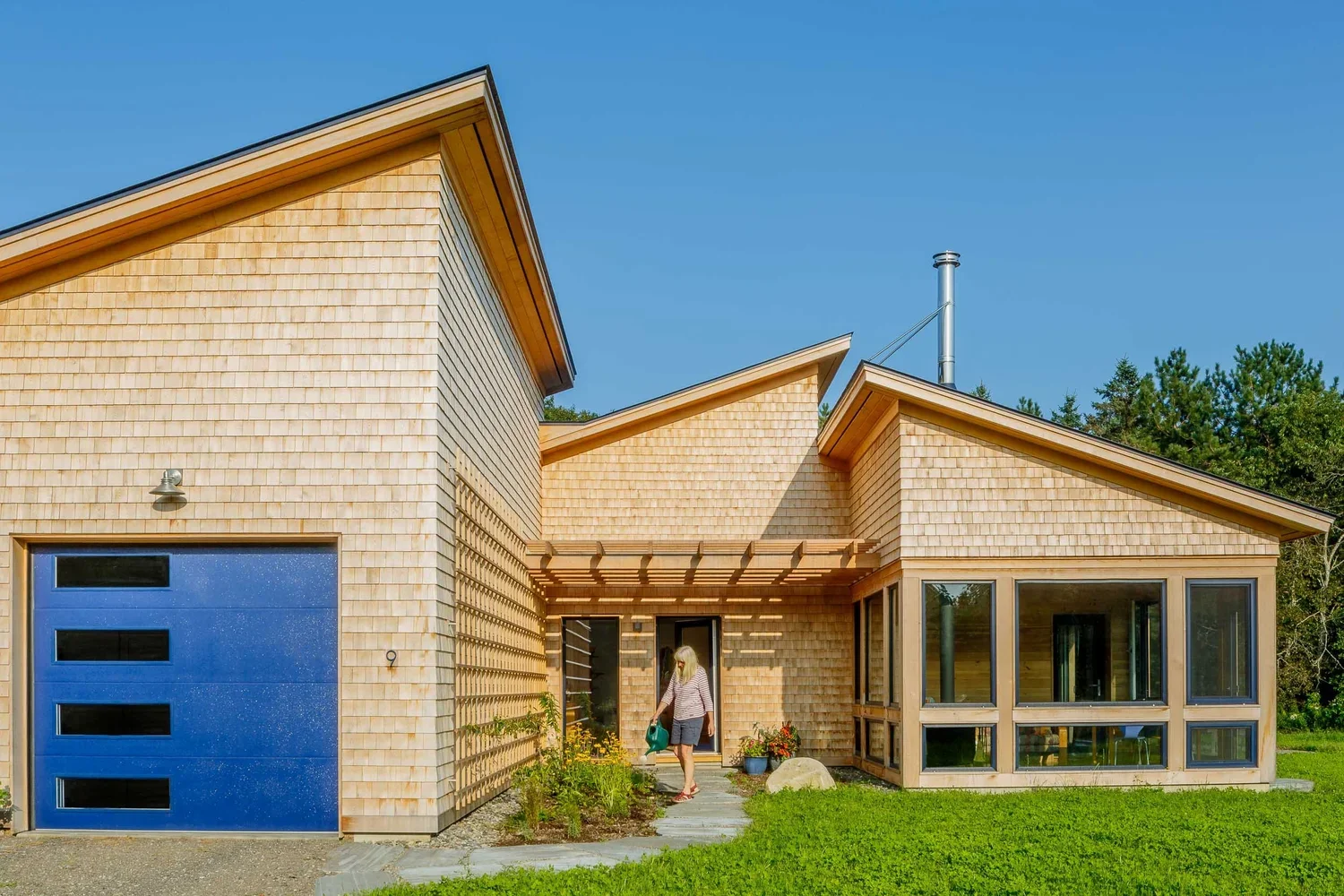
Emily approaches residential design as a whole system. Design quality, indoor air quality, energy performance, durability, and budget are not separate conversations. They are considered together from the beginning. The result is a home that feels calm and effortless to live in, while quietly doing the hard work behind the scenes.
Her projects typically prioritize:
Stable indoor temperatures and reduced drafts
Durable assemblies that manage moisture and weather
Intentional ventilation and filtration for better indoor air quality
Energy efficiency that lowers long-term operating costs
Design decisions shaped by real daily life, including light, flow, privacy, acoustics, and storage
This approach aligns closely with the principles of the Pretty Good House philosophy. It focuses on practical, thoughtful decisions that lead to better buildings without unnecessary complexity.

A Building Science Educator and Industry Voice
The E3: Energy and Efficiency Podcast with Emily Mottram
In 2019, wanting to spread the word about healthy buildings and amplify the voices of the building science community, I started a podcast, E3: Energy and Efficiency with Emily, where I focus on building science, architecture, and female entrepreneurship.
I host guests from a wide range of sub-disciplines and career stages, but the overarching idea is that the people who design and construct buildings succeed best when working as a team.
Co-Host of the long-running BS + Beer* live show and podcast
Emily is also a co-host of the long-running BS + Beer* live Zoom show and YouTube replay. The show brings together professionals from across the building industry to discuss topics like ventilation, building enclosure design, durability, and climate-responsive construction.

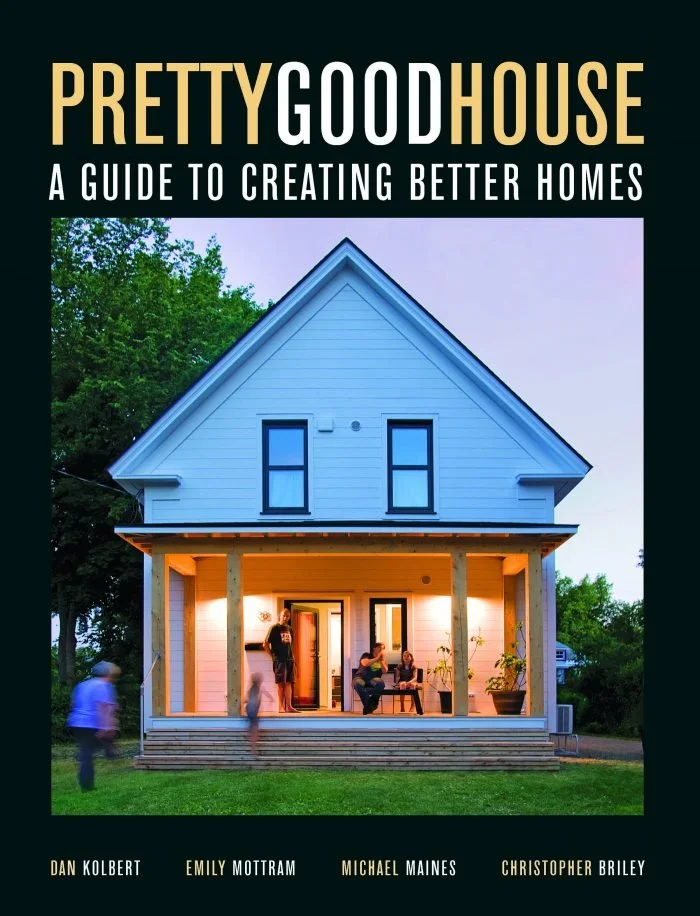
Emily Mottram Helped Write The Pretty Good House A Guide to Creating Better Homes
And last but not least of Emily’s extracurricular pursuits is championing the Pretty Good House, A Guide to Creating Better Homes. This overly modest moniker is short for the Pretty Damned Good House, and it’s a lot more than its name might imply.
You could argue that PGH is carving out a much-needed new path in the US homebuilding sector. Emily Co-Authored this book alongside Dan Kolbert, Michael Maines and Christopher Briley.
Through these platforms, Emily helps translate complex building science topics into clear, practical conversations that benefit both professionals and homeowners.
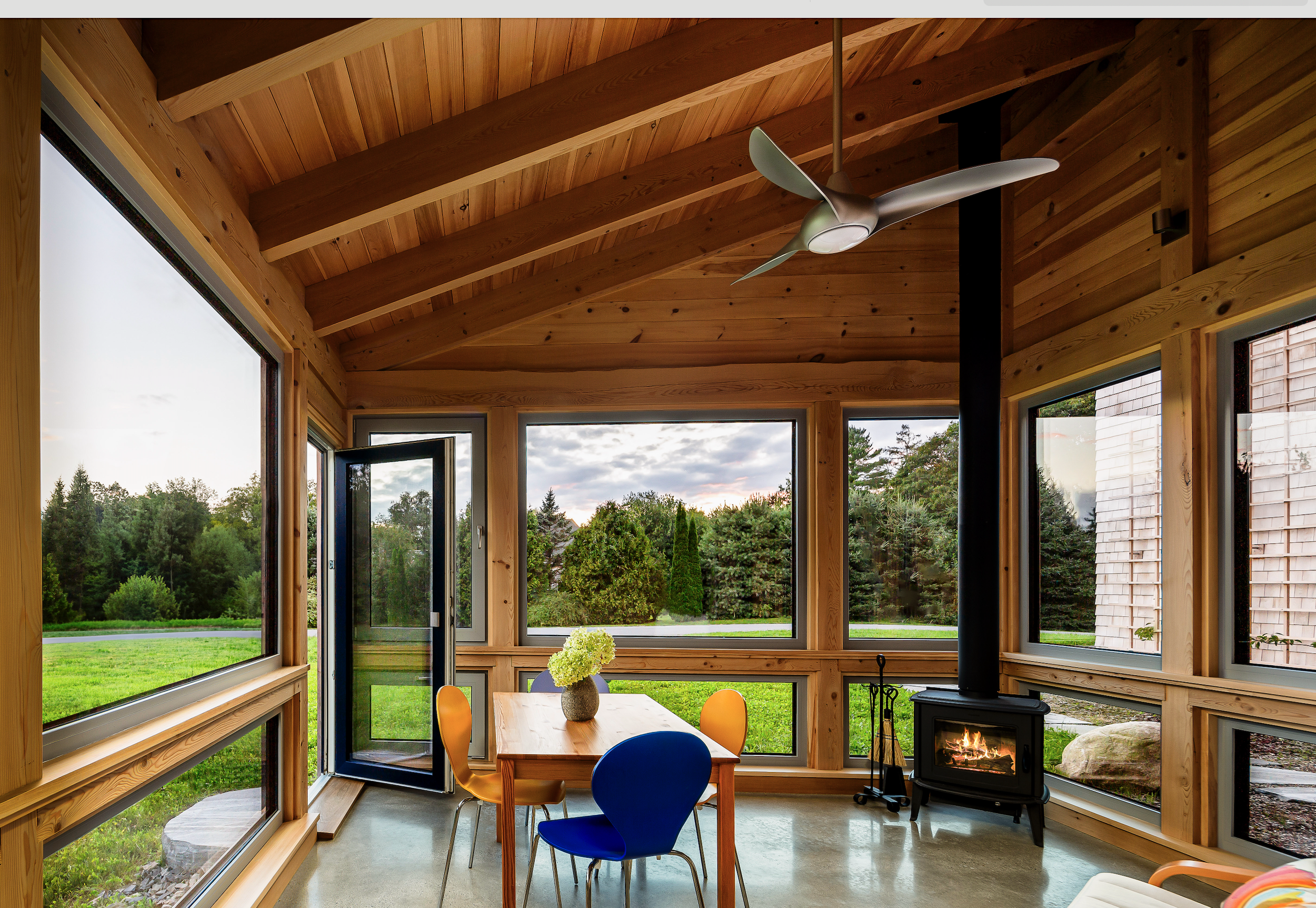
Intention, Backed by Credentials
Emily helps bridge the gap between design intent and what actually gets built, advocating for decisions that support comfort, durability, and long-term performance — not just short-term cost savings. What sets her practice apart isn't just the process, but the intention behind it: taking the time to understand, explore, and create with purpose at every turn.
She is a Registered Architect in Kansas, Maine, Massachusetts, New Hampshire, Pennsylvania, and Utah, a member of the National Council of Architectural Registration Boards (NCARB), and a certified RESNET HERS Rater, Passive House Consultant and Designer (CPHC + D), LEED AP, Maine State Energy Auditor, and Building Performance Analyst (BPI).
Design Philosophy
Emily believes that good residential design comes from thinking about everything at the same time, not in isolation. Architecture and building science are not competing priorities. When they are integrated thoughtfully, they reinforce each other.
Her goal is straightforward. Design homes that support daily life, respond to their environment, and hold up over time.
FAQs
What does Emily Mottram specialize in?
Emily specializes in high-performance residential architecture, including new homes, additions, and major renovations. Her work integrates design quality with building science so that homes are comfortable, durable, energy efficient, and well suited to their climate.
What is Emily Mottram known for in the building industry?
Emily is known for her work in building science education and high-performance home design, as well as hosting the E3: Energy and Efficiency with Emily podcast and co-hosting BS + Beer*, where building professionals discuss the realities of designing and constructing better homes.
Does Emily Mottram design energy-efficient homes?
Yes. Energy efficiency is part of a broader approach that also prioritizes indoor air quality, moisture control, durability, and comfort. Emily’s projects often follow principles similar to the Pretty Good House approach—focusing on practical strategies that deliver long-term performance without unnecessary complexity.