
Frequently Asked Questions About Designing a High Performance Home
Answers to common questions about custom homes, ventilation, indoor air quality, energy efficiency, and the home design process.
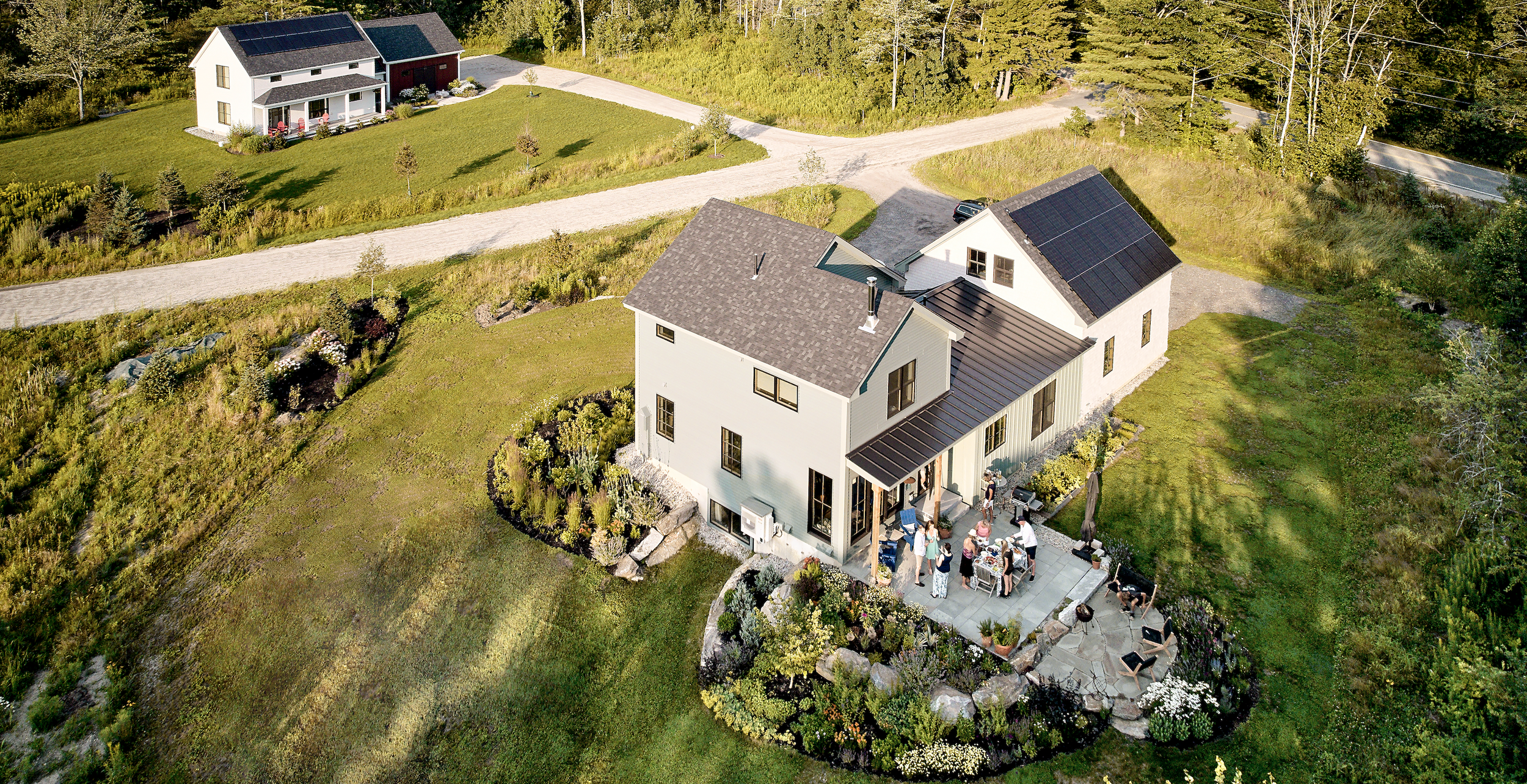
FAQ: Getting Started With Mottram & Maines
What is high-performance home design?
1
High-performance home design focuses on how a home actually functions over time: comfort, indoor air quality, durability, and energy use.
In practice, that means designing the enclosure, ventilation, insulation, and mechanical systems so they work together. The goal isn’t maximum complexity—it’s a house that maintains stable temperatures, clean air, and long-term durability with straightforward systems.
When done well, the performance feels quiet. Rooms are comfortable, drafts are minimal, and the house simply works the way people expect it to.
5
What is a Pretty Good House?
2
The Pretty Good House approach focuses on practical strategies that deliver strong performance without unnecessary complexity.
Rather than chasing extreme targets, it prioritizes:
durable assemblies
good insulation and air sealing
intentional ventilation
thoughtful material choices
right-sized mechanical systems
The result is a home that is comfortable, efficient, and resilient without becoming overly complicated or expensive to build. In short, Pretty Good House is a strategy, not a compromise.
What does building science mean in home design?
3
Building science is simply the study of how buildings interact with air, heat, moisture, and people.
When we apply building science in design, it helps us make better decisions about things like insulation, ventilation, drying potential, and material choices.
For homeowners, the outcome is straightforward: fewer drafts, more consistent temperatures, better air quality, and a home that holds up well over time.
How do you design for indoor air quality?
4
Indoor air quality comes from a combination of strategies working together.
These usually include:
balanced ventilation systems such as ERVs
air filtration
moisture control
durable assemblies that manage water and drying
low-emitting materials where it matters
These elements are integrated into the design so the home maintains fresh air and stable conditions without relying on complicated systems.
What makes a home durable and low-maintenance?
Durability starts with the building enclosure.
We focus on:
moisture-smart wall and roof assemblies
careful flashing and water management
materials that age well in the local climate
details that are straightforward for builders to execute
When these pieces are resolved early in design, the house tends to require less maintenance and avoids many of the problems that show up years later.
Renovations, Additions, and Existing Homes
-
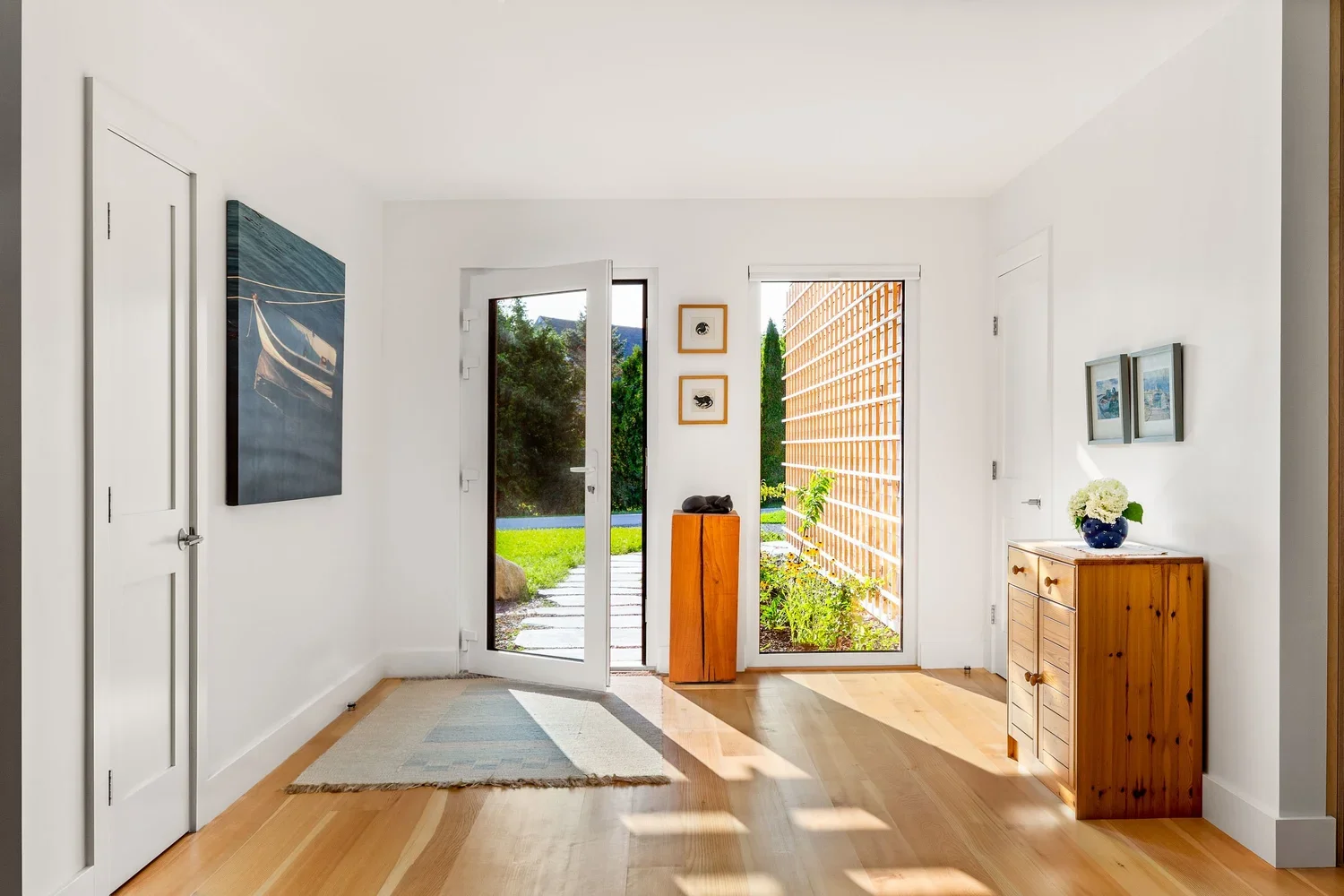
Yes. Many older homes benefit significantly from upgrades such as insulation improvements, air sealing, ventilation, and better moisture control.
When those improvements are paired with thoughtful design changes—better layout, storage, daylight, and circulation—the result can feel like an entirely new home while retaining the character of the original structure.
-
They can be.
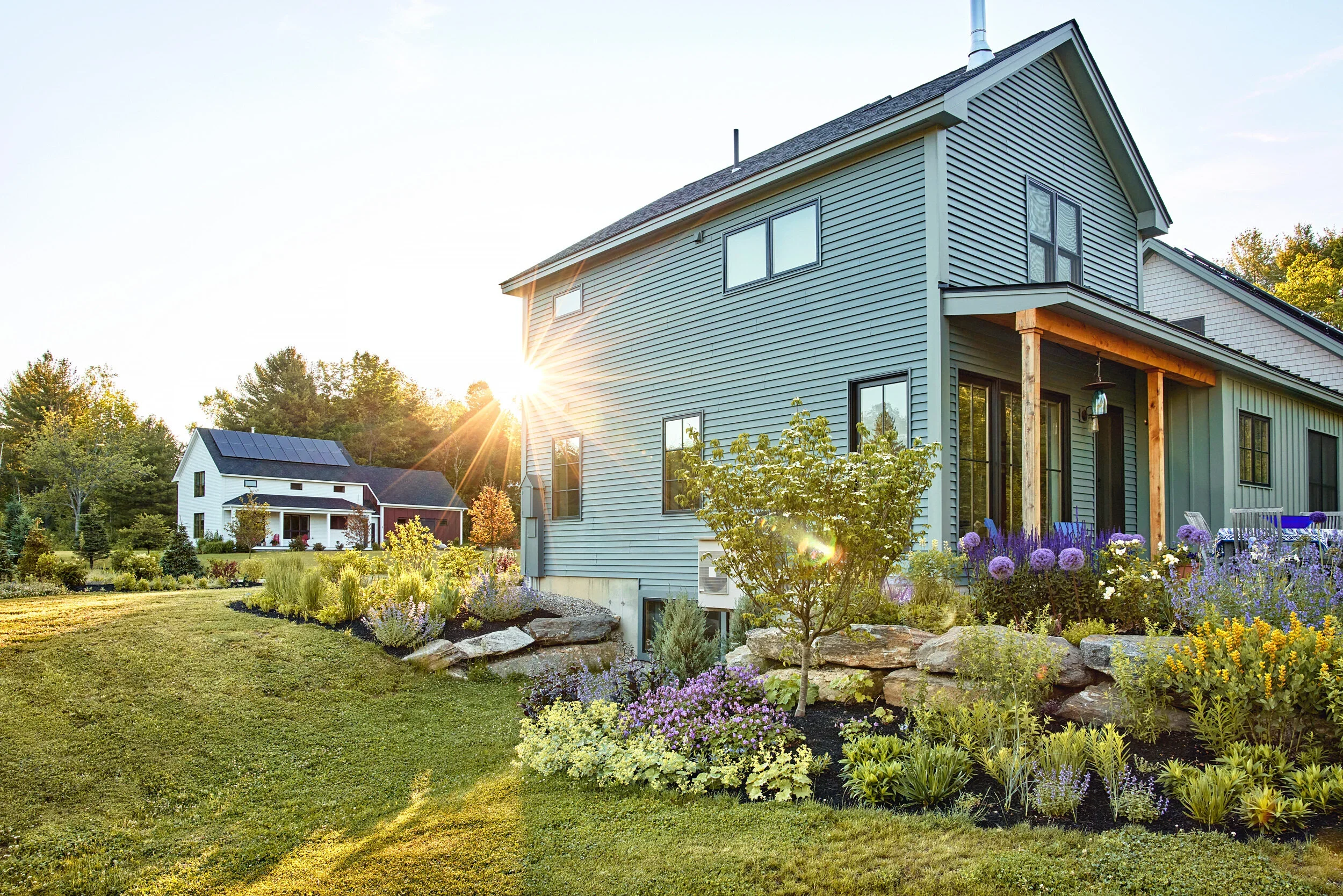
High-performance renovations often involve understanding how the existing building works first. We look at insulation levels, air leakage, moisture conditions, and mechanical systems so upgrades support the whole building while not creating another one.
This approach helps ensure the improvements actually increase comfort and durability over time.
-
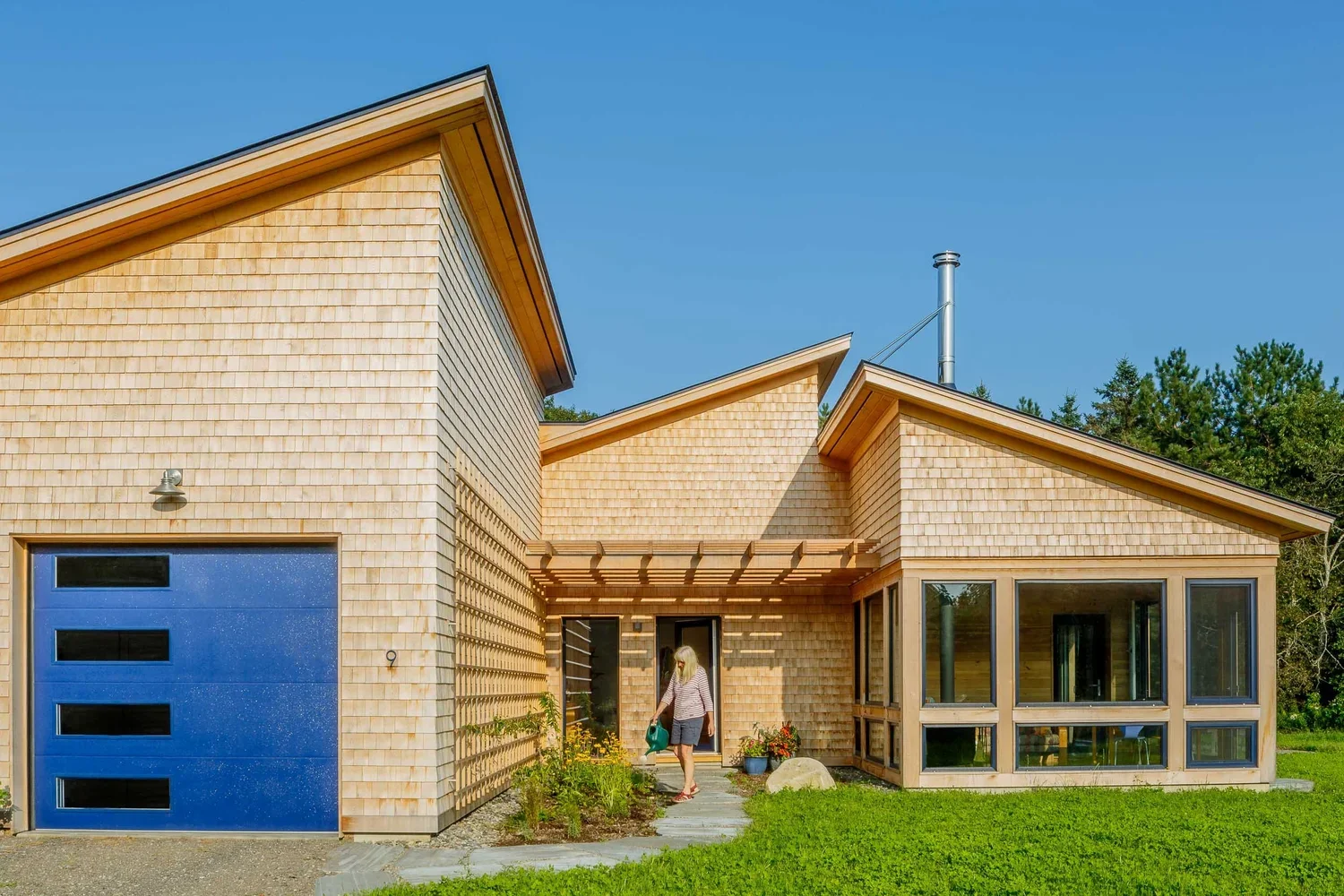
Yes. We pay close attention to the character of the existing home and the lived experience of the new space, so the finished design feels cohesive.
That can include proportions, rooflines, window placement, materials, trim details, and the way light, circulation, and views work from one space to the next. The goal is not to copy the house exactly. It is to create something that feels natural to the home and right for the way you live now.
Working Together: Process and Expectations
-
Our focus is full service design projects where we can stay involved from early planning through construction.
That level of involvement allows us to keep design decisions, building science strategies, and construction coordination connected. It’s the best way to ensure the finished home matches the intent of the design.
-
We find that involving a builder early often leads to the best outcomes.
Early collaboration helps confirm constructability, clarify costs, and make sure details are practical to build. It also helps avoid surprises once construction begins. If you don't yet have a builder in mind, we have strong relationships with builders across the US and may be able to connect you with a builder in our network.
-
Most of our clients are looking for a home that balances design quality, comfort, durability, and thoughtful energy performance.
They value clear communication, early planning, and a collaborative process with builders and consultants.
Projects tend to work best when clients are interested in understanding the decisions behind the design.
-
You don’t need every detail resolved, but it helps to have a general sense of:
your timeline
whether you already have land
the scale of the project
your rough budget
That context helps us understand whether the project is a good fit and how to guide the next steps.