
Wireless Switching, Smarter Lighting And Better Buildings
Building a Better House Starts With Small Decisions
Most people admire a kitchen island or a wall of glass long before they notice a light switch, yet the switch becomes unforgettable the moment it is awkward, mislabeled, or stranded across the room from the door you actually use. In Season 7 Episode 5 of E3 Energy and Efficiency with Emily, Emily Mottram talks with Sean Vo and Vanessa Wright about Levven’s wireless two part switching, and the conversation quickly moves past convenience into the parts of building performance that architects, builders, and energy raters wrestle with every day.
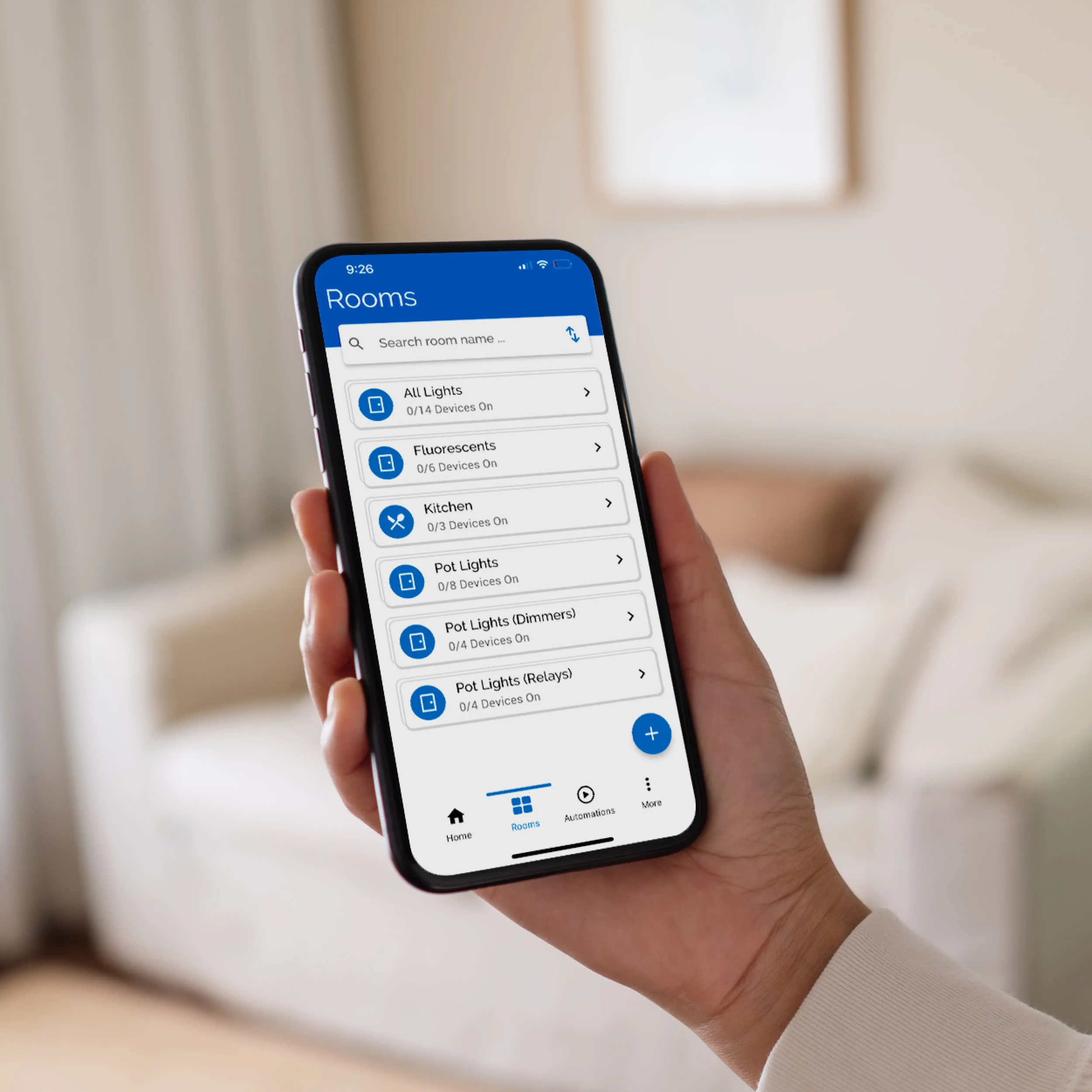
Listen to the full podcast episode here.
What Wireless Two Part Switching Actually Changes
Wireless two part switching separates the power relay from the wall control, which means the relay can live in the ceiling junction box while the switch can be placed on the finished wall wherever it serves the room best. When the switch no longer needs a dedicated cable run back to the load, you gain freedom to locate controls based on circulation, furniture, sight lines, and real daily habits rather than on what was easiest to rough wire.
In the episode, Sean and Vanessa describe how this approach reduces wiring, reduces penetrations, and makes it easier to correct the classic “why is that switch over there” problem without cutting open new drywall.
Less Wiring and Lower Embodied Carbon
Traditional switching adds up quickly, because every switch leg is another run of copper, jacketing, staples, and boxes that must be manufactured, delivered, installed, and eventually replaced or discarded. When the relay lives at the load and the switch communicates wirelessly, much of that dedicated branch wiring disappears, and the electrical layout can become simpler without reducing function.
In the conversation, Levven’s team points to third party findings that wireless switching can reduce branch wiring by more than thirty percent in typical homes, and they also describe material reductions that can reach roughly one hundred to one hundred twenty pounds per home, which is a rare example of embodied carbon savings that does not demand lifestyle sacrifice from the homeowner.
Fewer Holes and Better Air Sealing
Every conventional switch location creates a small stack of risks, because drywall gets cut, the air control layer gets interrupted, the box complicates insulation continuity, and a cable penetration is added through framing that often sits at the top of the pressure boundary. Those cuts might look minor during rough in, yet anyone who has watched a blower door test knows how a long row of small leaks can behave like one large hole once the house is under pressure.
Wireless wall controls reduce the number of penetrations that need to be detailed in the first place, because the relay sits where a junction box already exists for the light or fan, while the wall control can mount without creating the same cavity and wiring pathway that typical switch boxes require. If you care about comfort, moisture safety, and keeping humid air out of cold assemblies, fewer unnecessary openings is an advantage you can feel even when the thermostat reading looks fine.
A Retrofit Friendly Upgrade That Avoids Wall Damage
Retrofits often come with hidden hazards, including plaster that crumbles, trim profiles that are hard to match, and older materials that homeowners prefer not to disturb. Fishing new cable to add a three way location can turn into a messy project that creates dust, costs time, and still leaves a repair patch that never blends perfectly with the surrounding finish.
Because the relay can be installed at the existing light location and the wall control can be placed where it is needed, a homeowner can gain better control at a stair, bedside, or entry without opening long chases through walls and ceilings. Levven also highlights retrofit use cases directly, which is helpful for designers who want better function in older homes while keeping the building fabric intact.
Why This Matters for Panelized and High Performance Wall Systems
Panelized construction, SIPs, thick double stud walls, and other high performance assemblies depend on continuity, because the value of the system comes from keeping insulation and air control layers as uninterrupted as possible. When electricians need to penetrate exterior assemblies repeatedly to land boxes and run switch legs, the shell gets more complex to detail and easier to compromise, especially when schedules are tight and multiple trades overlap.
A system that allows switching logic to live at ceilings and interior partitions supports cleaner exterior shells, which makes it easier for builders to hit airtightness targets and for architects to specify assemblies that are robust rather than fragile.
Sensors, Data, and Building Science Feedback in Real Life
Once you have networked controls throughout a home, it becomes natural to think beyond on and off, because the same devices can become a distributed set of observation points. In the episode, Sean and Vanessa discuss temperature readings at switches and future sensor directions, which points toward a future where homeowners and professionals can see room by room patterns rather than relying on one hallway thermostat that may not represent lived comfort.
For building science focused teams, that kind of data can support better commissioning conversations, because you can connect comfort complaints to patterns and then respond with zoning, balancing, shading, or envelope improvements that are grounded in measured conditions rather than guesswork.
Scenes That Improve Safety, Aging in Place, and Daily Routines
Smart lighting is often marketed as novelty, yet the practical value tends to show up in safety and predictability, especially for people moving through the house at night. A bedside scene that brings up a gentle path to the bathroom, or an entry scene that turns on exterior and vestibule lighting before someone steps onto an icy walk, reduces fall risk and makes the house feel calmer to live in.
Because controls can be added and relocated without demolition, the home can adapt as mobility changes, which supports aging in place and universal design in a way that traditional wiring layouts rarely allow.
Lighting Quality Gets Better When Controls Are Easy
Lighting design works best when it is layered, because tasks, meals, conversation, and cleaning all ask for different light levels and different distributions. When switching is flexible and dimming is simple to use, designers can group fixtures by function and mood, while homeowners can actually live with those layers without walking the perimeter of the room flipping multiple controls.
In practice, the goal is not a house that feels “techy,” but a house where good light is easier to achieve, which supports comfort, visual ease, and a more human feeling interior.
A Simple Next Step for Readers
If you are designing, building, or renovating, it helps to look at switching as part of enclosure strategy rather than treating it as a late stage electrical detail. When fewer holes are required, the air barrier is easier to protect, the top plate is easier to seal, and the finished interior is easier to keep clean when layouts inevitably evolve during construction.